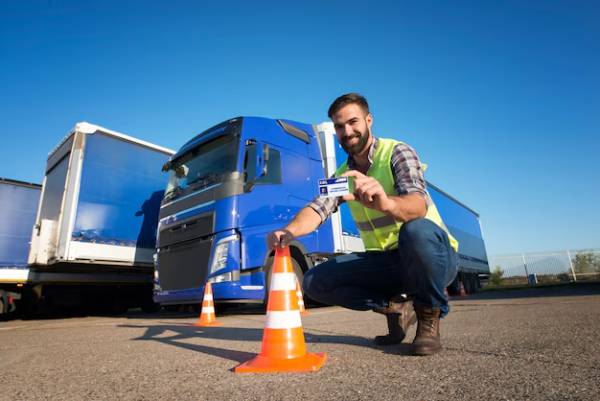
Alternatively fuelled vehicle training (AFV training) equips a person with skills and knowledge to handle vehicles that are not powered by traditional sources such as diesel or petrol but powered by non-traditional energy sources such as electricity, hydrogen, and the hybrid system. All major countries are working towards achieving a lower carbon footprint and zero emissions. This has led to a rise in usage of Alternative fuel vehicles, especially in the United Kingdom, which is why AFV training is essential for operating these vehicles.
The demand for skilled and professional alternatively fuelled vehicle drivers is growing rapidly. Alternatively, fuelled vehicle training ensures that drivers are qualified to meet these needs. The course covers practical as well as theoretical aspects and offers comprehensive education on the advanced technology that powers these vehicles.
What Does AFV Training Involve?
The AFV training includes theoretical topics and practical approaches to prepare people for driving and working in alternatively fuelled vehicles. The topics range from basics of electric and hybrid vehicle technologies to safety instructions, such as how to handle high voltage systems, and maintenance topics, such as how to maintain hydrogen fuel tanks.
The training modules focus on understanding the various environmental regulations in the country of operation, the United Kingdom’s Road to Zero Strategy, which encourages the usage of low-emission vehicles. The students gain insights into numerous challenges of integrating AFV vehicles into the UK’s infrastructure and how it helps to reduce carbon footprint.
Hands-on training is an essential part of the training program, which allows participants to work on the actual vehicle with an expert trainer and their expert guidance. They give practical experience, which is crucial for developing the skills, confidence, and competence in handling the new cutting-edge technology driving the AFVs.
Licence Requirements for AFV Drivers in the UK
In the UK, the Driver and Vehicle Standards Agency (DVSA) states that to drive an AFV, an individual must adhere to specific licence requirements. It introduced a set of guidelines that ensure drivers are compliant in handling the AFV safely and are well prepared to drive them.
As per the licence requirements for electric and hybrid vehicles, drivers need to go through additional training to understand the operational features of these vehicles, which are unique and different. This is especially true for heavy goods vehicles (HGVs) and Public Service Vehicles (PSVs) such as city transport buses. A standard UK driving licence is enough if you are driving such a vehicle for personal use and only for smaller vehicles. However, professional drivers need to understand the AFV vehicles and get AFV-specific training and assessments to get a licence and drive professionally.
Currently, though Hydrogen-powered vehicles are less common, they are rapidly growing in the UK. They have stricter guidelines for certification. Drivers need to know safe serving, but more importantly, they need to understand the other safety aspects, such as managing the hydrogen fuel systems, and must be able to comply with safety protocols. With the completion of AFv training, you can ensure compliance with various legal requirements and improve your employment opportunities in the transport sector.
Why Is AFV Training Important?
AFV training is no longer just a regulatory necessity but a means of keeping pace with the changes happening in the UK automotive industry. Manufacturers are now converting to alternatively fuelled vehicles, so having the knowledge of these systems has become the new key requirement.
Furthermore, AFV training encourages environmental awareness. The trainees will be able to understand the mechanics and unique operations of AFV and the benefits of low-emission vehicles, thus contributing to the UK’s bigger goals of reducing air pollution, low emissions and combating climate change.
This will also instil confidence in drivers and technicians. Hence, they can deal with any emergency or maintenance challenge with ease, thus ensuring safe roads and prolonging the lifespan of such sophisticated vehicles.
Undergoing expert training school for alternatively fueled vehicle training ensures learners receive top-quality education tailored to the needs of the UK. Such places offer accredited certifications, experienced instructors, and state-of-the-art facilities. A reputable training provider ensures that participants are highly prepared to excel in this field.
Conclusion
Alternative fuelled vehicle training is essential to align with the UK’s ambitions of green transportation. Securing an AFV licence, enhancing employability, or simply contributing to sustainability all demand this specialised training skill and confidence to thrive within the rapidly changing automotive landscape. Embracing the knowledge of AFV training has, therefore, not only helped individuals secure a bright future but also significantly helped them build a cleaner, greener future for the UK.
Featured Image Source: https://img.freepik.com/free-photo/driver-candidate-successfully-finished-truck-driving-training-acquired-commercial-driving-license_342744-1306.jpg?ga=GA1.1.841081849.1734379686&semt=ais_hybrid
