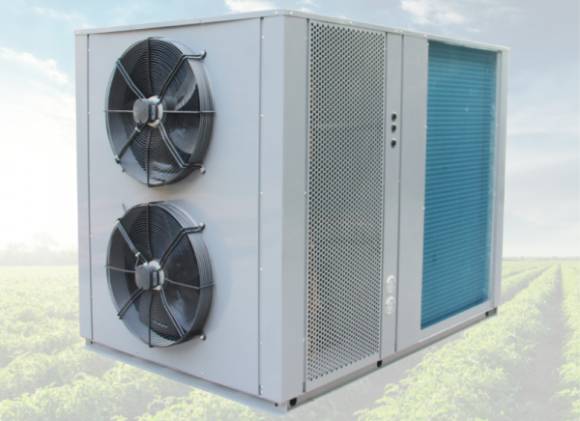
The agricultural sector faces a persistent challenge that costs billions annually. Fresh produce spoils quickly, leaving farmers and food businesses with mountains of waste that could have generated substantial revenue. Smart operators have discovered a solution that transforms this problem into profit.
Dehydration technology offers a pathway to convert perishable goods into shelf-stable products with remarkable profit margins. A food dryer machine becomes the cornerstone of this transformation, turning surplus harvests into premium dried goods. Commercial operators report profit increases of 300-500% when switching from fresh to dried product lines.
The versatility of modern drying equipment extends beyond simple fruit processing. A fruit dryer machine handles diverse products from tropical mangoes to temperate apples, creating consistent results across different produce types. This flexibility allows businesses to adapt their product lines based on seasonal availability and market demands.
The Economics of Dehydration
Fresh bananas sell for approximately £1.20 per kilogram at wholesale prices. Those same bananas, processed into crispy chips, command £8-12 per kilogram in retail markets. The mathematics become compelling when businesses calculate the potential revenue from equipment that processes hundreds of kilograms daily.
Storage costs plummet when products undergo proper dehydration. Fresh produce requires refrigerated transport and has a shelf life measured in days or weeks. Dried alternatives store at room temperature for months or years, reducing logistics expenses and waste dramatically.
Market research reveals that dried fruit sales have grown 45% over the past five years. Consumer preferences shift towards healthy snacking options, creating sustained demand for quality dehydrated products across multiple retail channels.
Popular Products and Their Margins
Banana chips represent one of the most profitable dried products available. The process removes 80% of the water content whilst concentrating flavours and nutrients. Properly dried banana chips achieve shelf lives exceeding 12 months without preservatives.
Dried mango strips command premium prices in health food stores and online marketplaces. The tropical fruit’s natural sweetness intensifies during dehydration, creating a product that competes directly with processed confectionery at higher price points.
Herb dehydration offers perhaps the highest profit margins in the sector. Fresh herbs spoil within days, but dried versions maintain potency for years. Restaurants and food manufacturers pay premium prices for consistently dried herbs that meet their quality specifications.
Equipment Selection and Capacity Planning
Commercial dehydration requires equipment that handles substantial volumes efficiently. Industrial units process 50-500 kilograms per batch, depending on the product type and desired moisture content. Energy efficiency becomes crucial when operating at scale.
Temperature control systems ensure consistent results across different product types. Fruits typically require temperatures between 55-70°C, whilst vegetables need 50-60°C for optimal nutrient retention. Advanced units offer programmable settings for different product categories.
Airflow design affects drying uniformity and processing times. Professional equipment incorporates forced air circulation systems that eliminate hot spots and reduce processing times by 30-40% compared to basic models.
Quality Control and Market Standards
Moisture content measurement determines product shelf life and quality. Most dried fruits require moisture levels below 20% for safe storage, whilst vegetables need 10% or less. Professional operators use calibrated meters to verify these specifications.
Colour retention affects consumer acceptance and pricing. Proper dehydration preserves natural colours whilst concentrating flavours. Products that maintain vibrant colours command higher prices in competitive markets.
Packaging considerations become critical for maintaining product quality. Dried products require moisture-proof packaging to prevent rehydration and spoilage. Many businesses invest in vacuum sealing equipment to extend shelf life further.
Scaling Operations for Maximum Profit
Starting with smaller capacity equipment allows businesses to test markets before major investments. Many successful operations begin with 20-50 kilogram capacity units, then expand as demand grows and cash flow improves.
Product diversification reduces risk and increases revenue potential. Businesses that process multiple product types can adapt to seasonal variations and market fluctuations more effectively than single-product operations.
Distribution channels determine profit margins significantly. Direct-to-consumer sales through farmers’ markets or online platforms generate higher margins than wholesale distribution to retailers or food service operations.
Energy Efficiency and Operating Costs
Modern dehydration equipment incorporates heat recovery systems that reduce energy consumption by 25-35%. These systems capture waste heat from the drying process and pre-warm incoming air, lowering operating costs substantially.
Solar-assisted drying systems offer additional cost savings in suitable climates. Hybrid systems combine solar heating with conventional energy sources, reducing electricity costs whilst maintaining consistent processing capability.
Preventive maintenance schedules ensure equipment operates at peak efficiency. Regular cleaning and component replacement prevent costly breakdowns and maintain energy efficiency throughout the equipment’s operational life.
Market Positioning and Pricing Strategies
Premium positioning requires consistent quality and attractive packaging. Businesses that invest in professional branding and quality packaging achieve price premiums of 40-60% over generic alternatives.
Organic certification opens access to higher-value market segments. Certified organic dried products command significant price premiums whilst attracting health-conscious consumers willing to pay for quality.
Private labelling opportunities exist with retailers seeking unique product offerings. Many businesses generate substantial revenue by producing dried goods under retailer brand names whilst maintaining their own product lines.
Regulatory Considerations and Food Safety
Food safety regulations require proper sanitation and processing procedures. Commercial dehydration operations must comply with local health department requirements and maintain detailed processing records.
Labelling requirements vary by jurisdiction but typically include ingredient lists, nutritional information, and storage instructions. Proper labelling prevents regulatory issues and builds consumer confidence in product quality.
Hazard analysis systems identify potential contamination risks throughout the processing chain. Professional operations implement comprehensive food safety protocols to protect consumers and maintain business reputation.
The transformation from fresh to dried products represents a significant opportunity for agricultural businesses seeking higher profit margins and reduced waste. Modern dehydration technology provides the tools necessary to capture this value whilst meeting growing consumer demand for healthy, shelf-stable products. Success requires careful equipment selection, quality control procedures, and strategic market positioning to achieve maximum profitability in this expanding sector.
Featured Image Source: https://airtekdehydrator.com/wp-content/uploads/2021/07/CC1500-600×600.png
