The difference between a sofa that lasts for years and one that quickly loses its shape often comes down to a single crucial component: high-density padding foam. While invisible to the eye once the furniture is assembled, this hidden element determines whether your investment stands the test of time or becomes another disposable piece heading to the landfill.
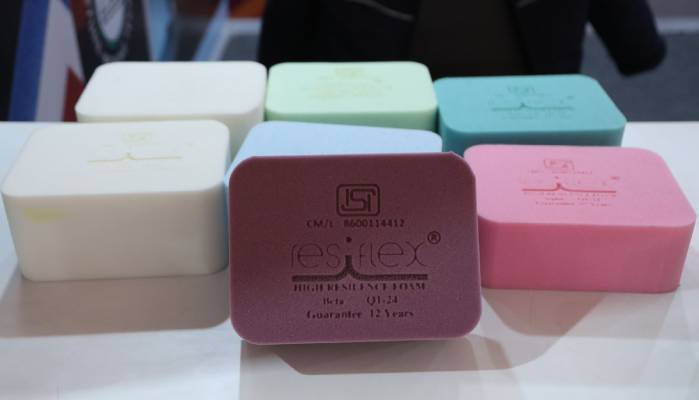
Foam HR, or high-resilience foam, is a game-changer in furniture longevity, offering superior support and durability compared to standard padding materials.
The Hidden Lifecycle of Your Furniture
Most people don’t think about what’s inside their sofa until something goes wrong. By then, it’s usually too late. The average sofa begins deteriorating from the moment it arrives in a home, with standard-density foams starting to compress within just 6-12 months of regular use.
This degradation isn’t merely a comfort issue—it’s a financial drain. Replacing furniture every few years costs thousands more than investing in quality components from the start. Even more concerning, poorly manufactured foam can break down into microscopic particles that affect indoor air quality, potentially triggering respiratory issues for sensitive individuals.
Density: The Number That Determines Durability
The technical measurement that matters most when evaluating sofa padding foam is density, typically measured in kilograms per cubic meter. While standard residential furniture often uses foam with a density between 18-24 kg/m³, high-density options start at 30 kg/m³ and can exceed 50 kg/m³ for premium applications.
This numerical difference translates to dramatic real-world results:
- Standard foam (18-24 kg/m³): Begins losing shape within 1-2 years, develops permanent compression points within 3 years, requires replacement within 5 years
- High-density foam (30+ kg/m³): Maintains original shape for 5+ years, resists compression even in high-traffic seating areas, can last 10+ years with proper care
When furniture manufacturers cut corners on foam density, the consequences become painfully apparent—both literally and figuratively—as pressure points develop and support diminishes.
Beyond Comfort: The Hidden Benefits of Quality Foam
While immediate comfort often drives purchase decisions, the advantages of high-density sofa padding foam extend far beyond the initial sit test:
Temperature Regulation
Lower-density foams trap heat against the body, creating uncomfortable seating experiences, especially in warmer climates. High-density foams provide superior air circulation, maintaining more consistent temperatures throughout extended sitting periods.
Allergen Resistance
The cell structure of high-density foam creates a naturally inhospitable environment for dust mites and other common allergens. For households with allergy sufferers, this reduction in potential triggers makes premium foam a health investment as much as a comfort one.
Environmental Impact
Though counterintuitive, investing in longer-lasting foam actually reduces the environmental footprint. One high-quality sofa that lasts a decade produces significantly less waste than three lower-quality replacements during the same period.
The Warning Signs of Inadequate Foam
How can consumers and furniture manufacturers recognise subpar padding before it’s too late? Watch for these telltale indicators:
- Rapid compression after minimal use
- Visible depressions that don’t recover
- Uneven firmness across seating surfaces
- Foam feels noticeably warmer after short periods of sitting
- Crumbling edges where foam meets fabric
These warning signs often become apparent just after warranty periods expire, leaving consumers with limited recourse beyond costly reupholstery or replacement.
Making the Right Choice
Whether producing furniture commercially or selecting pieces for a home, the choice of sofa padding foam deserves careful consideration. For manufacturers, using high-density options establishes a reputation for durability that drives customer loyalty. For consumers, requesting information about foam density before purchasing helps ensure satisfaction years after the delivery date.
In the end, high-density sofa padding foam isn’t just about technical specifications—it’s about creating furniture that remains a trusted part of homes for years instead of months, saving money, reducing waste, and delivering the lasting comfort that every furniture investment should provide.
Featured Image Source: https://flexipol.in/wp-content/uploads/2025/02/PU-foam.jpg
