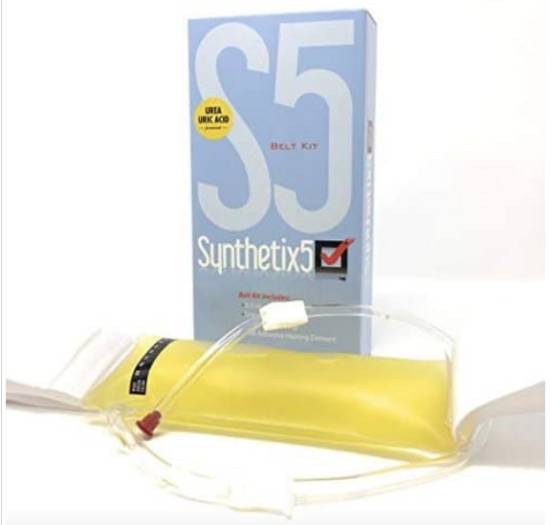
Drug testing scenarios create stress for many people. The pressure to pass these tests has led to the creation of various solutions, with synthetic urine becoming increasingly popular. Two main delivery methods dominate the market: belt-attached systems and traditional bottled kits. Understanding the differences between these options helps users make informed decisions based on their specific circumstances.
Belt Systems Offer Hands-Free Convenience
Synthetic urine with belt systems have revolutionized how users transport and deploy artificial samples. These kits attach directly to the waist, keeping the synthetic urine close to body temperature naturally. The belt design eliminates the need for manual temperature management during critical moments. Users can walk confidently knowing their sample stays concealed and maintains proper heat levels without constant monitoring.
Temperature consistency represents the biggest advantage of belt systems. Body heat maintains the synthetic urine at optimal levels throughout the day. The Spectrum Quick Fix Plus demonstrates this principle effectively, though belt-attached alternatives offer superior temperature stability. Most belt kits include tubing systems that allow discreet dispensing without removing the entire apparatus. This design proves particularly valuable in supervised testing environments where privacy remains limited.
Traditional Bottles Provide Flexibility
Bottled synthetic urine kits dominate the market due to their straightforward approach. These containers hold pre-mixed synthetic urine that users can transport in pockets, bags, or other concealed locations. The simplicity appeals to first-time users who prefer familiar packaging over specialized delivery systems. Bottles also allow users to examine the synthetic urine before use, checking color and consistency visually.
Temperature control with bottled systems requires more active management. Users must warm the synthetic urine using heating pads or other external sources before testing. This process demands timing and attention to detail that some people find stressful. The bottles themselves can feel bulky in pockets, creating anxiety about detection during pat-downs or security checks at testing facilities.
Usability Varies by Testing Environment
Testing environments significantly influence which synthetic urine delivery method works best. Unsupervised tests favor bottled systems because users have privacy and time to manage temperature control. They can take their time warming the sample and ensuring everything looks correct before submission. The relaxed atmosphere reduces pressure and allows for careful preparation.
Supervised testing scenarios present different challenges that often favor belt systems. The constant observation makes traditional bottle handling risky and obvious to trained personnel. Belt-attached systems allow users to dispense synthetic urine more naturally while maintaining the appearance of normal bathroom behavior. The hands-free operation reduces suspicious movements that might alert supervisors to artificial sample use.
Temperature Control Methods Differ Significantly
Belt systems excel at passive temperature maintenance through body heat transfer. The synthetic urine stays close to natural body temperature without requiring external heating sources. This consistency eliminates the guesswork involved in timing and temperature management. Users don’t need to worry about overheating or cooling during transport to testing facilities.
Bottled kits require active temperature management that can prove challenging. Heating pads provide the most common warming method, but they require careful timing and monitoring. Too much heat can damage the synthetic urine’s chemical composition, while insufficient warming results in suspicious temperature readings. The narrow window for optimal temperature creates additional stress during already anxious situations.
Concealment Options Present Trade-offs
Belt systems integrate concealment into their core design philosophy. The synthetic urine stays hidden against the body, making detection extremely difficult during casual inspections. The streamlined profile doesn’t create obvious bulges that might raise questions. Some advanced belt systems even include fake genitalia for enhanced realism during supervised tests.
Bottled synthetic urine requires creative concealment strategies that vary by individual circumstances. Pockets work for basic situations, but deeper searches can reveal hidden containers easily. Some users tape bottles to their bodies, though this approach can prove uncomfortable and unreliable. The external concealment methods add complexity and potential failure points to the overall strategy.
Cost Considerations Affect Decision-Making
Belt systems typically cost more than bottled alternatives due to their specialized design and additional components. The tubing, heating elements, and belt apparatus require more manufacturing complexity than simple bottles. This higher upfront cost can deter budget-conscious users who view synthetic urine as a one-time expense.
Bottled kits offer affordability that appeals to first-time users and those facing unexpected testing situations. The lower price point makes experimentation less risky financially. Users can purchase multiple bottles for practice or backup purposes without significant investment. The cost difference might influence decision-making for people facing multiple tests over time.
Reliability Factors Impact Success Rates
Belt system reliability depends on proper fitting and component function. The tubing can kink or disconnect, creating embarrassing failures during critical moments. Users must test their belt systems beforehand to ensure everything works correctly. The complexity introduces more potential failure points compared to simple bottled alternatives.
Bottled synthetic urine offers mechanical simplicity that reduces failure risks. The straightforward design has fewer components that can malfunction during use. Users simply remove the cap and pour, eliminating concerns about tubing problems or belt malfunctions. This reliability appeals to people who prefer proven, simple solutions over complex alternatives.
User Experience Varies by Personal Preference
Some people prefer the confidence that belt systems provide through passive temperature control and hands-free operation. The set-and-forget approach reduces anxiety and allows users to focus on other aspects of test preparation. The professional appearance of quality belt systems can boost confidence during stressful testing situations.
Others find bottled systems more intuitive and controllable. The ability to physically handle the synthetic urine before testing provides reassurance about quality and temperature. The familiar bottle format doesn’t require learning new techniques or procedures. This comfort factor can prove valuable for people already stressed about upcoming drug tests.
Conclusion
Choosing between belt-attached and bottled synthetic urine depends on individual circumstances and testing environments. Belt systems excel in supervised situations requiring discretion and consistent temperature control. Bottled kits work well for unsupervised tests where users have privacy and time for preparation. Consider your specific testing scenario, budget constraints, and personal comfort level when making this important decision. Research available options thoroughly and practice with your chosen method before facing actual testing situations.
Featured Image Source: https://detoxforless.com/product/synthetix5-urine-belt-kit
