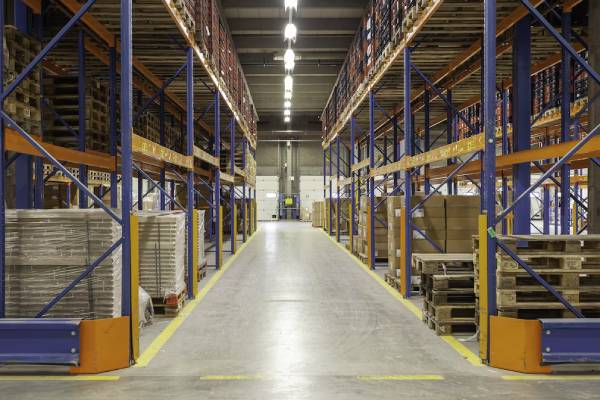
Inventory management is a critical area that reflects the effectiveness of a warehouse. It also ensures proper storage, fast retrieval, and lower operation costs.
One of the most important but underestimated factors in inventory management is the use of warehouse racking systems. The right storage methods not only optimize the available space but also enable efficient movement of stock and increase safety and efficiency.
The Role of Racking in Space Optimization
Management of available space is considered a key goal in warehouse layout. A well-planned warehouse racking system helps companies create more storage space with less floor area.
Shelf types, including pallets, cantilever, and drive-in racking systems, effectively utilize the vertical and horizontal planes to store a wide range of inventory with varying sizes and weight. These systems make it easier to find products since they are arranged systematically, thus eliminating clutter, occupying less space and leaving pathways for movement.
Cost Benefits of Used Equipment
Acquiring new racking systems can be expensive, but there are other options that a business can embrace, and these include used warehouse equipment. Used racking systems are as effective as new ones, when they are bought from reputable dealers at a lower price.
With used equipment, businesses are in a position to store more inventory than they can afford. However, it’s important to ensurethat used equipment is safe to use and meets the requirements of the warehouse.
Enhancing Inventory Accessibility
The organization of inventory makes it easier to access items, which is important in picking and replenishment, especially in a racking system. For instance, selective racking systems allow the storage of pallets to allow direct access to a pallet at any time, making the system appropriate for warehouses with a large number of different products.
On the other hand, push-back or drive-in racks are more suitable for an operation that uses the First-In-Last-Out (FIFO) inventory system. Selecting the appropriate racking system means fast and efficient order picking and minimum time wasted, thus increasing client satisfaction.
Scalability and Future-Proofing
Just like every other aspect, the storage needs of businesses increase as the businesses expand. Selecting modular racking systems means that as the volume of stock increases, the storage can easily expand to accommodate the change without much modification. This flexibility enables organizations to remain ready for future change, such as the integration of automation tools or a change in inventory management.
Facilitating Safety and Compliance
In any warehouse, safety is paramount, and the type of racking system used has a big impact on working environment safety. Well-installed and maintained racks help avoid mishaps like collapsing racks or even falling stock.
Additional features such as guard rails, load capacity markings, and anti-slip surfaces are also provided to ensure safety. Moreover, compliant racking systems are in line with laws and regulations, and thus help businesses avoid possible fines or disruptions of operations.
Reducing Operational Costs
The benefits of appropriate racking systems in the context of efficiency mean that actual costs are reduced. Businesses save time spent for inventory retrieval, and hence save on labor and space costs in addition to reducing errors. Moreover, high-density racking systems lead to reduced energy costs since extra lighting or heating of the storage area is not required in most cases.
Conclusion
Warehouse racking is more than just a storage solution; it’s a strategic asset that significantly impacts inventory management. Whether investing in new infrastructure or exploring cost-effective options like used warehouse equipment, businesses must prioritize thoughtful planning and expert guidance. A well-designed racking system not only enhances operational efficiency but also positions the business for sustainable growth in an increasingly competitive market.
