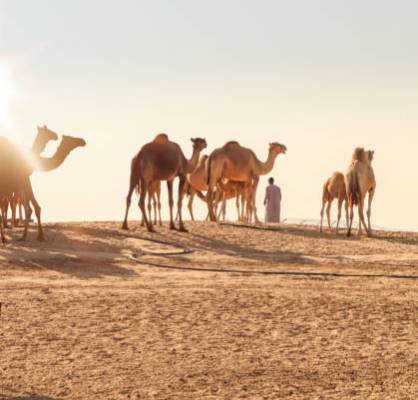
Camels, often called the “Ship of the Desert,” date back thousands of years in Emirati culture. These magnificent animals are nowadays an integral part of modern desert safaris. If you book an Abu Dhabi desert safari, you’ll experience a ride on these majestic creatures that not only offers an exhilarating adventure but also links tourists to the past years. There is much to learn about the historical significance of camels in the life of the Emirati people, making it a unique experience that transcends the ordinary desert ride.
Camels in the Heritage and Traditions of the Emirate
Camels have been an integral part of the cultural heritage of the United Arab Emirates. In earlier times, they were more than just animals; they were deeply interwoven into social and cultural life. Of the many sporting events, perhaps the most famous is camel racing, which in many respects represents strength and skill.
If you book an Abu Dhabi desert safari, you’ll witness the modern evolution of this ancient custom. Originally rooted in the ancient Bedouin culture, camels symbolize wealth, status, and power, and today, camel racing continues to be a celebrated sport in the UAE.
Economic Role of Camels in Early Emirati Society
Prior to the rapid modernization of the UAE, camels were the backbone of the local economy. They provided food, milk, and even wool and leather for making clothes. Bedouin families relied on them for milk, while their meat was regarded as a delicacy. Camels became essential because they could transport large shipments easily over long distances, making them important pack animals for merchant caravans.
So, in short, camels were essential to the survival and prosperity of early Emirati society. Today, as you enjoy desert safari in Abu Dhabi, you can explore this historical connection and appreciate the pivotal role camels played in shaping the region’s past.
The Symbolism of Camels in Emirati Identity
Camels are used in practical ways but also serve as a symbol of Emirati endurance and spirit. They represent strength under adversity and have been glorified by Emirati poetry, art, and folklore. Many use camels as status symbols, and their soft movements remind one of the profound connection Emiratis have with the landscape of the desert.
Contemporary Times
There has been so much importance associated with modern-day camel rides due to cultural preservation and the continued effort put into showing the historical way of life associated with such places. With the presence of tourists visiting the land today, desert rides on a camel have turned out to be one of the most popular activities for visitors to the region.
When you enjoy desert safari in Abu Dhabi, these camel rides allow you to experience a glimpse of this traditional way of life. They also ensure that the culture of camels is passed on from generation to generation, besides fostering cultural exchange through tourism.
Conclusion
Handy slaving camels do not only pan the sandy desert of the UAE. They remain the symbols of UAE’s values, roots, and affection towards the desert. From being ancient trade animals, to appearing in festivals, up to today, the camels surely have an everlasting spot in the hearts of the Emiratis. Riding camels is not just a form of transportation in the desert but also as a type of an event which combines the legacy and customs of the nation.
Featured Image Source: https://media.istockphoto.com/id/1401401450/photo/camel-herd-at-desert-dunes-stables-farm.jpg?b=1&s=612×612&w=0&k=20&c=ytOC1EpArD0EcjbT_Ry3wYIysu64IijA2AxP0BAbXZg=
