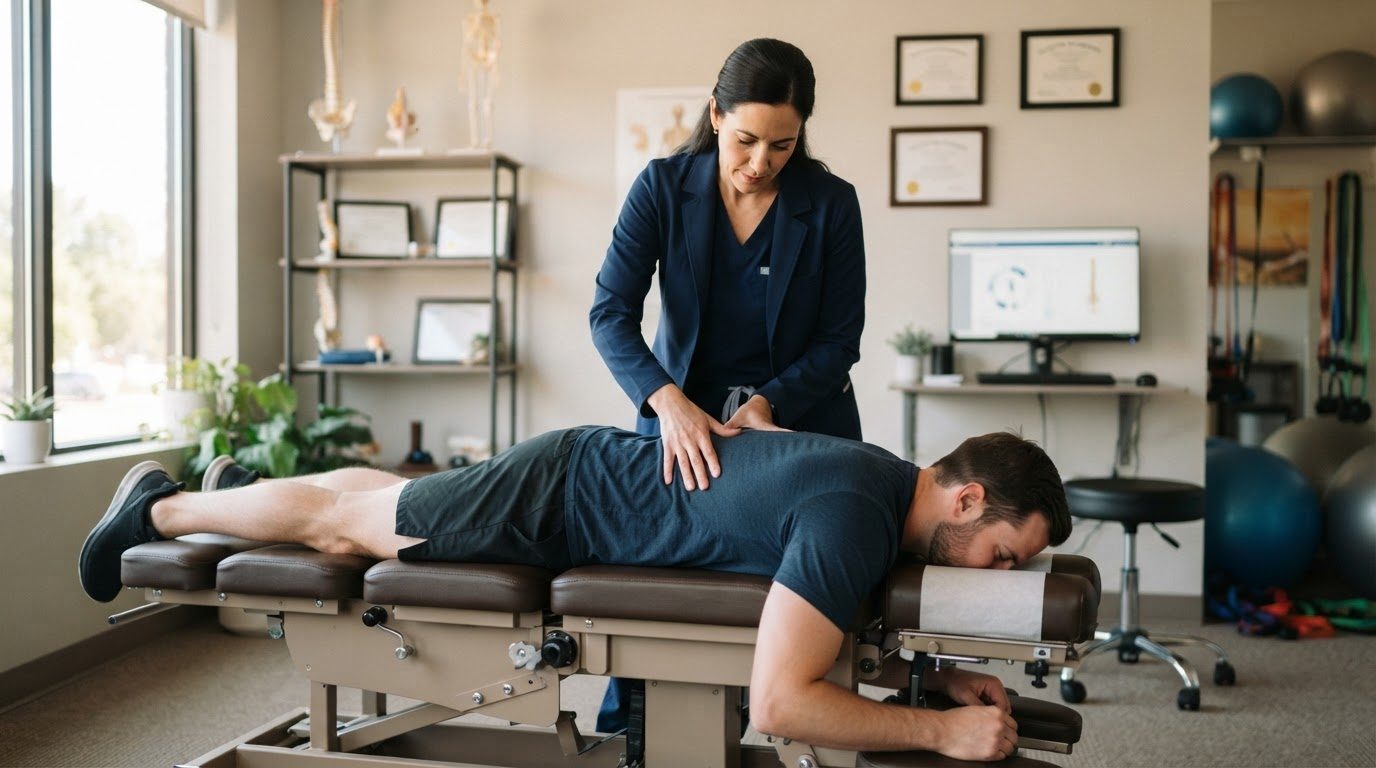
Chiropractic care is a distinct healthcare discipline focused on the diagnosis, treatment, and prevention of mechanical disorders of the musculoskeletal system, particularly the spine. It operates on the principle that the body has an inherent ability to heal itself, and proper alignment of the spine and other joints facilitates this natural healing process. This approach often involves manual therapy, including spinal manipulation, alongside other treatments like exercise and nutritional counseling.
The core of chiropractic practice involves assessing the neuromusculoskeletal system—the intricate network of bones, nerves, muscles, tendons, and ligaments. When these systems are not functioning optimally, it can lead to pain, reduced mobility, and other health issues. A Chiropractor aims to restore proper function and alignment, thereby alleviating discomfort and supporting the body’s overall well-being. This often involves a detailed examination to identify the root cause of a patient’s symptoms, rather than merely addressing surface-level pain.
Many individuals seek chiropractic care for persistent issues such as low back pain, sciatica, headaches, and neck tension, often after trying other treatments without lasting relief. The goal is to identify underlying dysfunctions, such as poor movement patterns or old injuries, that contribute to chronic pain and inflammation. For those in Lombard, IL, who are looking for an approach that combines chiropractic care with advanced therapies to promote natural and lasting recovery, True Health Chiropractic and Acupuncture offers a comprehensive approach to wellness.
The Foundation of Chiropractic: Spinal Manipulation and Beyond
At the heart of chiropractic treatment is spinal manipulation, often referred to as a chiropractic adjustment. This technique involves a chiropractor applying a controlled, sudden force to a joint in the spine, moving it in a specific direction to improve alignment and motion. While most commonly performed on the spine, other joints in the body can also be adjusted. The objective is to restore proper joint mechanics, reduce nerve irritation, and alleviate muscle tension.
However, modern chiropractic care extends beyond just adjustments. A comprehensive treatment plan may incorporate a variety of modalities tailored to the individual’s needs. These can include:
- Soft Tissue Therapy: Techniques aimed at easing muscle spasms, tension, and tightness, which often accompany joint dysfunction.
- Therapeutic Exercises and Stretches: Prescribed movements designed to improve joint mobility, strengthen supporting muscles, and enhance balance.
- Kinesio Taping: Application of specialized tape to support muscles and joints, reduce swelling, and improve circulation.
- Nutritional Counseling: Guidance on diet and lifestyle factors that can influence inflammation, healing, and overall health.
- Hot and Cold Therapy: Application of heat or ice to manage pain and inflammation.
The specific combination of treatments is determined after a thorough assessment, which typically includes a detailed health history, physical examination, and sometimes imaging scans like X-rays or MRIs, to accurately diagnose the patient’s condition.
What Conditions Do Chiropractors Address?
Chiropractors primarily treat conditions related to the musculoskeletal and nervous systems. The most common reasons people seek chiropractic care include:
- Low Back Pain: A frequent complaint, often stemming from disc issues, muscle strains, or joint restrictions in the lumbar spine.
- Neck Pain: Often associated with poor posture, whiplash injuries, or degenerative changes in the cervical spine.
- Headaches and Migraines: Many types of headaches, particularly tension headaches and cervicogenic headaches, can be linked to spinal alignment issues and muscle tension in the neck and upper back.
- Sciatica: Pain, numbness, tingling, or weakness radiating down the leg, typically caused by compression or irritation of the sciatic nerve.
- Shoulder Pain: Can result from rotator cuff injuries, impingement, or dysfunction in the shoulder joint complex.
- Hip and Knee Pain: Often related to biomechanical imbalances, arthritis, or sports injuries.
- Sports Injuries: Chiropractors help athletes recover from injuries and optimize performance by addressing musculoskeletal imbalances that can contribute to injury risk.
- Poor Posture: Chronic poor posture can lead to a variety of musculoskeletal problems, which chiropractic care can help correct.
- Numbness, Tingling, and Muscle Spasms: These symptoms can indicate nerve irritation or muscle dysfunction that a chiropractor can assess and address.
It’s important to note that while chiropractors focus on musculoskeletal issues, their holistic approach recognizes that many factors influence health, including diet, exercise, rest, environment, and heredity.
The Chiropractic Journey: What to Expect
A typical chiropractic journey begins with an initial consultation and examination. During this first visit, you can expect:
- Detailed Health History: The chiropractor will ask about your current symptoms, past injuries, medical conditions, lifestyle, and health goals. This helps them understand the full scope of your health picture.
- Physical Examination: This usually involves assessing your posture, range of motion, muscle strength, reflexes, and palpating your spine and other joints to identify areas of tenderness or dysfunction.
- Diagnosis and Treatment Plan: Based on the findings, the chiropractor will explain their diagnosis and propose a personalized treatment plan. This plan will outline the recommended therapies, the frequency of visits, and what progress to expect.
- First Treatment (Often): In many cases, initial treatment may begin on the first visit, which could include gentle adjustments or other therapies.
Subsequent visits typically involve ongoing assessments of your progress and continued treatment. The number of sessions required varies depending on the individual’s condition, its severity, and their response to care. Some conditions may see relief in a few visits, while others might require a longer course of treatment.
Safety and Considerations
Chiropractic care is generally considered safe when performed by a licensed professional. Most patients experience immediate relief or improved mobility after an adjustment. It’s common to feel mild, brief soreness similar to post-exercise muscle soreness in the treated areas for a day or two.
While rare, potential side effects can include temporary headaches or fatigue. Serious complications are extremely uncommon. It is crucial to inform your chiropractor about all your health conditions and medications, especially if you have conditions like severe osteoporosis, cancer in the spine, or certain vascular issues, as these may influence the type of treatment provided. If you have any concerns or if your symptoms worsen, it’s always advisable to consult with your primary care physician.
Education and Professional Standing
Chiropractors undergo rigorous education and training to become licensed healthcare professionals. In the United States, aspiring chiropractors must complete a Doctor of Chiropractic (D.C.) degree from an accredited institution. This typically involves:
- Undergraduate Education: A minimum of three years of undergraduate study, with many programs requiring a bachelor’s degree, including specific prerequisite courses in sciences like biology, chemistry, and physics.
- Doctor of Chiropractic Program: A four-year doctoral program that covers extensive coursework in anatomy, physiology, microbiology, pathology, radiology, orthopedics, neurology, and chiropractic philosophy and techniques. This also includes supervised clinical experience in patient assessment and hands-on spinal adjustment.
- Licensure: After earning their D.C. degree, chiropractors must pass national board examinations and obtain a license to practice in their respective state. All states also require ongoing continuing education to maintain licensure.
While chiropractors are not medical doctors (MDs), they are considered doctors of chiropractic care. Their training includes many of the same foundational sciences as medical school, focusing specifically on the neuromusculoskeletal system and its impact on overall health. This distinct educational pathway prepares them to diagnose and treat a wide range of conditions using a non-pharmacological, non-surgical approach.
