Creating Tranquility Through Water Movement
Water has always held a special place in landscape design. The gentle murmur of moving water connects people to nature on a primal level, evoking feelings of peace and tranquility. Floating fountains take this experience to another level by combining the visual impact of dynamic water patterns with the soothing acoustic properties of falling water. These dual-sensory features transform ordinary ponds and lakes into focal points that captivate visitors and create memorable outdoor spaces.
Property owners looking to buy floating fountains often discover benefits extending far beyond mere aesthetics. The cascading water creates negative ions that many believe improve air quality and boost mood. This scientific phenomenon helps explain why people feel refreshed near waterfalls and breaking waves. Floating fountains recreate this experience in controlled environments, providing both visual beauty and potential wellness benefits that enhance outdoor living spaces and commercial properties alike.
Those who buy floating pond fountains also invest in practical ecosystem management. The water movement introduces vital oxygen that supports beneficial bacteria and aquatic life. Different spray patterns create varying levels of aeration – from dramatic vertical displays that maximize oxygen transfer to gentle, wide patterns that provide subtle movement. The sound generated by these fountains varies accordingly, from the bold statement of geyser-style jets to the delicate patter of rain-like patterns that blend seamlessly with natural surroundings.
Sound Design Considerations for Water Features
Adjusting Water Patterns for Acoustic Effects
The sound profile of floating fountains can be carefully tailored to match specific environmental needs. Smaller droplets create gentle, high-pitched sounds that travel shorter distances and add background ambiance. Larger water volumes produce deeper tones that carry further and can mask unwanted noise pollution. This acoustic flexibility makes floating fountains valuable design elements in environments ranging from intimate garden settings to larger commercial properties where sound management matters.
Creating Sound Barriers with Strategic Placement
Floating fountains strategically positioned can create natural sound barriers that block traffic noise, conversation, or other unwanted sounds. This acoustic masking effect proves particularly valuable in commercial settings where privacy or noise mitigation represents a challenge. The consistent water sounds provide a pleasant alternative to artificial white noise systems while simultaneously enhancing visual appeal and improving water quality through movement and aeration.
Visual Impact Across Day and Night
Daytime Display Characteristics
During daylight hours, floating fountains create constantly changing visual displays as water catches sunlight and creates ephemeral rainbows and sparkling effects. The height, pattern, and density of spray patterns dramatically affect the visual impact. Lower, wider patterns provide subtle movement that complements natural settings, while taller, more dramatic displays create bold focal points that command attention and create landmarks visible from considerable distances.
Nighttime Transformation with Lighting
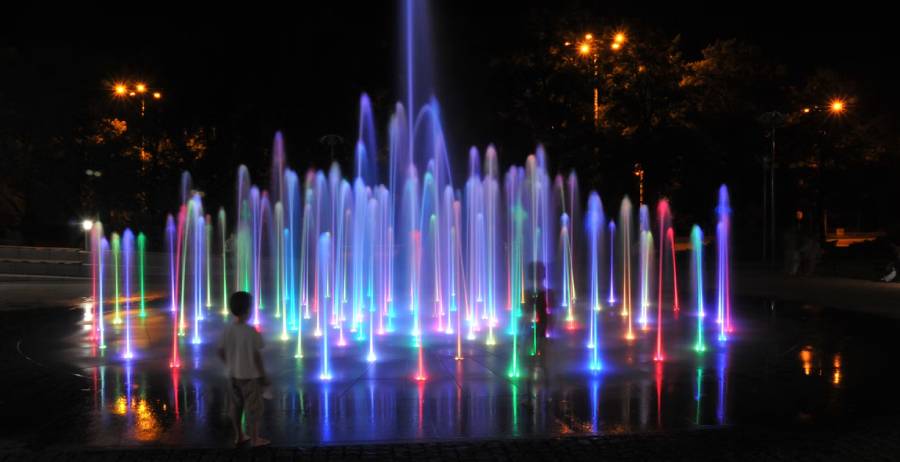
After sunset, floating fountains transform completely when combined with underwater lighting. LED systems can create color-changing displays or consistent illumination that highlights water movement against the darkness. This dual day/night functionality essentially provides two different water features for the investment of one, extending the enjoyment and impact of the water feature well beyond daylight hours and creating magical nighttime environments for evening enjoyment.
Environmental Benefits Beyond Aesthetics
Oxygen Enhancement and Thermal Regulation
The spray patterns of floating fountains increase the water’s surface area exposed to air, dramatically improving oxygen transfer rates. This dissolved oxygen supports beneficial bacteria that break down organic matter and helps prevent stagnation issues common in still water. In warmer months, the water movement also disrupts thermal stratification, the temperature layering that can lead to oxygen-poor bottom zones and potential fish stress in deeper water features.
Algae Prevention Through Movement of water
Constant water movement disrupts conditions favorable for algae growth by preventing surface accumulation and reducing stagnant zones. This mechanical control reduces dependence on chemical treatments and supports more natural biological balance. For property managers and pond owners, this translates to clearer water, reduced maintenance requirements, and healthier aquatic ecosystems that remain visually appealing throughout changing seasons.
Conclusion: Creating Multi-Sensory Experiences with Floating Fountains
Floating fountains transform ordinary water bodies into multi-sensory experiences that engage visitors on multiple levels. Beyond their obvious visual appeal, these features create soundscapes that enhance mood, mask unwanted noise, and establish distinct atmospheric conditions. For property owners seeking to enhance outdoor spaces, floating fountains represent a sound investment in both aesthetics and practical water management. Consider consulting with water feature specialists to determine the optimal fountain size, spray pattern, and placement for specific water bodies and desired sensory effects.
Featured Image Source: https://images.unsplash.com/photo-1562461219-4a16d7683457
