What To Do After An Anchorage Car Accident?

An Anchorage car accident can change an otherwise normal day into a source of anxiety, injuries, insurance issues, and legal problems. Such accidents can shatter your joy, the vacations you were looking forward to, or end all journeys in an instant. Additionally, property loss can significantly impact your budget for a month. From denting your car in a fender-bender to mortally colliding with another vehicle, knowing what to do about your immediate safety, legal rights, and health outcomes is all-important. From medical to legal assistance, you will be empowered to handle an Anchorage accident.

Steps To Take After A Car Accident In Anchorage

The moments that follow an Anchorage car accident are essential. First, determine if anyone is injured: yourself, your passenger, the other driver, or their passenger. If there are injuries, call for emergency assistance. Even with minor fender-benders, calling the police is advised so they can complete an official report. An official report is important for your insurance and for any legal assistance you may need.

If practical, move your car to a safe location, but do not leave the accident location. Exchange contact and insurance information with the other driver. Be sure to take pictures of all the damage, the vehicle’s license plates, and what is around the crash site. Pictures and documentation are the best insurance to support your claim if needed.

Get Medical Care And Legal Guidance

You may feel alright in the beginning after an Anchorage accident, but with injuries such as whiplash or internal injuries, you may not see a problem until hours or days later! You should see a doctor or nurse practitioner for a full evaluation. If you get a thorough review, you will also have a medical record linked to the Anchorage car accident, which is critically important if you need to file a personal injury claim.

Once you have addressed your immediate medical needs, consider talking to a car accident personal injury lawyer. They will explain your rights to you, negotiate with your insurance company, and help you obtain compensation for medical expenses, lost income, vehicle damage, and pain and suffering resulting from the Anchorage accident.

Exploring Your Legal Options

Alaska has a “fault” system. The person at fault is liable for damages. If the other party was at fault for the accident, they should have insurance that compensates for your losses. The problem is that most insurance companies are designed to deny or minimize losses.

Having an attorney skilled in injury claims in Anchorage can make a significant difference. A lawyer will gather the evidence, talk to witnesses, and negotiate with insurers on your behalf. Your attorney will also represent you in the event the case ends up in court to pursue fair compensation for your injuries and other losses related to the Anchorage accident.

Conclusion

Experiencing an Anchorage car accident can be daunting, but taking the appropriate steps after the accident can alleviate some stress and protect your rights. As you all know, calling 911 to request medical attention is the first step. Each action step matters: whether it is a minor fender bender or a serious Anchorage accident, a well-informed response to the incident can be your best defense. Don’t hesitate! Get the legal and medical help you need to heal and move on stress-free.

Featured Image Source: https://images.pexels.com/photos/532001/pexels-photo-532001.jpeg

From Emergency to Routine: Comprehensive Coverage in Expat Health Insurance

International healthcare decisions often revolve around understanding the fundamental differences between comprehensive long-term coverage and emergency-focused policies. Medical expenses abroad can quickly escalate into financial disasters without proper protection. The distinction between visitor coverage and expatriate insurance becomes crucial when considering duration of stay and required medical services.

The best health insurance for visitors to the USA typically addresses acute medical emergencies and unexpected illnesses during temporary stays. These policies focus on immediate treatment needs rather than ongoing healthcare relationships. Coverage periods generally range from days to months, reflecting short-term travel patterns. Emergency room visits and urgent care constitute the primary benefits offered to international visitors.

US expat health insurance extends far beyond emergency scenarios to encompass comprehensive healthcare management for citizens living overseas permanently. These robust plans include preventive care, routine check-ups, specialist consultations, and ongoing treatment for chronic conditions. Long-term expatriates require continuous medical relationships and consistent healthcare access. The policies often provide global coverage with options for treatment coordination across multiple countries.

Coverage Scope Differences

  • Emergency-Focused Visitor Plans: Visitor insurance policies concentrate on treating unforeseen medical events that occur during temporary stays. These plans typically exclude routine care, preventive services, and pre-existing condition coverage. The emphasis remains on stabilising acute conditions and providing immediate medical intervention. Coverage limitations reflect the temporary nature of visitor stays and focus on essential emergency services.
  • Comprehensive Expat Benefits: Long-term expatriate insurance encompasses routine healthcare maintenance including annual physical examinations, vaccinations, preventive screenings, and ongoing specialist care. These policies recognise that expatriates establish permanent healthcare relationships in their host countries. Chronic condition management becomes essential for maintaining quality of life abroad.

Financial Protection Strategies

  • Cost Implications for Different Coverage Types: Emergency-only policies offer lower premiums but provide limited scope of medical services. Comprehensive expatriate coverage requires higher investment but delivers extensive healthcare access. The financial risk calculation differs significantly between short-term visitors and permanent expatriates. Medical expenses for routine care can accumulate substantially over extended periods abroad.
  • Long-Term Healthcare Investment: Expatriates face ongoing medical expenses that extend beyond emergency situations. Preventive care investments often reduce long-term healthcare costs through early detection and treatment. Regular health monitoring becomes financially prudent for permanent overseas residents. Comprehensive coverage provides predictable healthcare budgeting for expatriate families.

Policy Features Comparison

Essential Coverage Elements: Different insurance types address varying healthcare needs based on duration and purpose of international stays. Key distinguishing factors include:

  • Emergency evacuation services: Critical for remote locations lacking adequate medical facilities
  • Routine care coverage: Annual check-ups, preventive screenings, and ongoing health monitoring
  • Prescription medication access: Continuous supply for chronic conditions and routine treatments
  • Specialist consultation networks: Access to qualified medical professionals in host countries
  • Maternity and family planning: Comprehensive reproductive health services for long-term residents

Making Informed Coverage Decisions

  • Evaluating Personal Healthcare Needs: Individual circumstances dictate appropriate insurance selection between emergency-focused visitor coverage and comprehensive expatriate policies. Duration of international stay represents the primary determining factor in coverage selection. Existing health conditions require ongoing medical management that exceeds emergency-only coverage limitations. Age and family status influence healthcare requirements and appropriate policy selection.
  • Risk Assessment Considerations: Inadequate coverage selection can result in substantial out-of-pocket medical expenses and compromised health outcomes. Emergency-only policies leave expatriates vulnerable to routine healthcare costs and preventive care gaps. Comprehensive coverage provides financial protection against both expected and unexpected medical expenses. Proper insurance alignment with individual circumstances ensures optimal healthcare access and financial security.

Conclusion

Selecting appropriate international health insurance requires careful consideration of individual circumstances, duration of stay, and healthcare requirements. Emergency-focused visitor policies serve short-term needs effectively but fall short for permanent expatriates requiring comprehensive medical care. Take action today by evaluating your specific healthcare needs and securing coverage that protects both your health and financial security abroad.

Featured Image Source: https://media.gettyimages.com/id/1125625723/photo/you-should-sign-here.jpg

Alaska Brain Injury Lawyer: Finding The Best Attorney For Personal Injury

A brain injury can change a person’s life in a big way. It can lead to high medical costs, emotional pain, loss of income and the need for ongoing care, which can be very tough to handle. If you or someone you care about has suffered a traumatic brain injury because of another person’s careless actions in Alaska, it’s important to talk to a good Alaska brain injury lawyer. The right personal injury attorney can help you get the money you need and make sure your rights are taken care of.

The Quiet Cost Of Brain Damage

Brain injuries can cause serious and lasting problems, even though they aren’t always obvious. People who have these injuries might lose their memory, get migraines, feel confused, change in personality, have trouble speaking, or end up with permanent disabilities. In some situations, the injured person might need medical treatment, continued care, or help with daily activities.

Families can face big emotional and money problems, especially if the injury happened because someone else wasn’t careful. That’s why it’s really important to get a lawyer early. A good Alaska brain injury lawyer knows how complicated these cases can be and can show how much the injury has changed your life right now and what it might mean for the future.

What A Top Alaska Personal Injury Attorney Can Do For You

Choosing the best attorney for personal injury in Alaska can greatly affect how your case turns out. A highly rated lawyer will offer:

  • Thorough case evaluation: They will analyze the details of your case, determine liability, and estimate potential compensation.
  • Strong negotiation skills: Good lawyers know how to talk to insurance companies, which generally try to pay out the least amount possible.
  • Trial readiness:The best lawyers are always ready to go to trial if a fair settlement isn’t possible.
  • Client support: Compassionate legal teams understand the emotional toll a brain injury takes on victims and families, offering support every step of the way.

Look for lawyers who have a strong track record in handling cases related to personal injury brain injuries, have positive feedback from previous clients, and are known for putting in a lot of effort to make sure their clients get the best possible protection.

Alaska’s Unique Challenges

Alaska has a unique lawsuit and any accident’s litigation falling under Alaska province should abide by it. Alaska is a big state with remote areas and harsh winter conditions and for that reason it can be difficult to collect evidence. There are many benefits of hiring an Alaska brain injury lawyer who understands the rules and regulations of Alaska. The experience they have with such similar cases can make or break your case. A best attorney for personal injury can guide you with all the minute details that may include the time left to file for a claim and how fault is determined.

Final Thoughts

A brain injury can change many parts of your life, but you don’t have to go through this by yourself. Having a skilled Alaska brain injury lawyer and the best personal injury attorney for your case can help you take on the responsible party and get the financial help you need to recover. If you or someone you care about has been hurt, it’s important to talk to a qualified attorney right away to protect your future.

Featured Image Source: https://cdn.pixabay.com/photo/2020/03/18/15/42/right-4944546_1280.jpg

Protecting Your Property: The Preventative Power of Emergency Drain Cleaning Service

Water damage represents one of the most devastating threats to property integrity. When drains become severely clogged, water can back up into living spaces, causing thousands of dollars in structural damage within hours. Property owners who recognize early warning signs and act quickly can prevent minor blockages from escalating into major disasters.

Professional emergency drain cleaning service providers respond rapidly to severe blockages that threaten property safety. These specialists use advanced equipment like hydro-jetting systems and motorized drain augers to clear even the most stubborn obstructions. Their immediate intervention prevents water from overflowing into basements, kitchens, and bathrooms where it can destroy flooring, walls, and personal belongings.

A skilled local plumber in my area brings specialized knowledge about regional drainage patterns and common blockage causes. They understand which tree roots typically invade local sewer lines and recognize seasonal debris patterns that affect neighborhood drainage systems. This localized expertise allows them to identify potential problems before they become emergencies requiring extensive property restoration.

Understanding Drain Emergency Scenarios

  • Sudden Blockage Situations: Complete drain blockages often occur without warning, particularly in older properties with deteriorating pipe systems. Tree roots can penetrate sewer lines gradually, then suddenly cause total obstruction when debris accumulates around the intrusion point. These scenarios require immediate professional attention to prevent sewage backup into living areas.
  • Grease Accumulation Problems: Commercial kitchens and residential properties frequently experience emergency situations when grease solidifies inside drainage pipes. Hot water and dish soap cannot dissolve hardened grease deposits that have accumulated over months or years. Professional drain cleaning equipment can remove these stubborn blockages before they cause pipe damage.

Professional Assessment and Prevention Strategies

  • Comprehensive Pipe Inspection: Emergency drain cleaning professionals use video camera technology to examine pipe interiors after clearing blockages. This inspection reveals cracks, corrosion, and structural weaknesses that could cause future emergencies. Property owners receive detailed reports showing exact locations of potential problems requiring monitoring or repair.
  • Root Intrusion Detection: Skilled technicians can identify tree root penetration patterns that threaten long-term drainage functionality. They locate entry points where roots have breached pipe joints and assess the extent of root system development inside sewer lines. This information helps property owners make informed decisions about landscaping and pipe replacement timing.

Long-term Property Protection Benefits

  • Preventive Maintenance Scheduling: Regular professional drain cleaning prevents emergency situations by removing debris before it causes complete blockages. Properties with consistent maintenance schedules experience fewer urgent repair calls and avoid water damage restoration costs. This proactive approach extends drainage system lifespan while maintaining optimal flow capacity.
  • Investment Value Preservation: Properties with well-maintained drainage systems retain higher market values and attract quality tenants or buyers. Documented maintenance records demonstrate responsible property management and reduce insurance claims related to preventable water damage. Emergency drain cleaning services contribute to overall property investment protection strategies.
  • Cost-Effective Solutions: The following benefits make emergency drain cleaning economically advantageous:
    • Prevents extensive water damage requiring expensive restoration services
    • Identifies minor issues before they become major repair projects
    • Maintains optimal drainage system performance reducing long-term replacement costs
    • Protects valuable property contents from sewage backup contamination
    • Reduces insurance premiums through documented preventive maintenance programs

Conclusion

Emergency drain cleaning services provide essential protection for property investments through rapid response capabilities and comprehensive problem assessment. Professional intervention prevents minor drainage issues from escalating into costly water damage scenarios that threaten structural integrity and property values. Property owners benefit from establishing relationships with qualified drain cleaning specialists who understand local conditions and provide reliable emergency response services when urgent situations arise.

Featured Image Source: https://media.gettyimages.com/id/1431990753/photo/house-ceiling-is-flowing.jpg

The Art of Subtle Enhancement: Achieving Natural-Looking Lip Volume

Women today seek lip enhancement that enhances their natural beauty rather than creating an artificial appearance. The goal involves achieving subtle volume and definition that harmonizes with existing facial features. Professional practitioners understand that successful lip enhancement requires artistic skill combined with medical expertise to create results that look naturally beautiful.

Modern lip injections in Salt Lake City have evolved significantly from earlier techniques that often produced overdone results. Today’s approach emphasizes precision and restraint, using advanced hyaluronic acid fillers to create volume in the lips that appears naturally enhanced. Skilled injectors focus on maintaining the natural lip proportions while addressing specific concerns like asymmetry or age-related volume loss.

The personalized approach to lip enhancement considers each individual’s unique facial structure and aesthetic goals. Expert practitioners evaluate lip anatomy, facial proportions, and skin quality before developing a customized treatment plan. This individualized strategy ensures that enhancement results complement the person’s inherent beauty rather than creating a uniform or artificial appearance that doesn’t suit their features.

Understanding Hyaluronic Acid Filler Technology

  • Advanced Formulations for Natural Results: Modern hyaluronic acid fillers offer varying consistencies and cross-linking technologies that allow practitioners to achieve different aesthetic outcomes. These advanced formulations provide the flexibility to create subtle volume in the lip body while defining the vermillion border with precision. The reversible nature of hyaluronic acid makes it an ideal choice for those seeking natural-looking enhancement with the option for adjustment.
  • Longevity and Maintenance Considerations: Treatment results typically last between six to twelve months, depending on individual metabolism and lifestyle factors. The gradual absorption of hyaluronic acid allows for natural-looking results that fade slowly over time. Regular maintenance appointments help sustain the desired appearance while allowing for subtle adjustments as facial features naturally change with age.

Achieving Subtle Definition and Hydration

  • Strategic Injection Techniques: Expert practitioners employ various injection techniques to achieve natural-looking results that enhance rather than dramatically alter lip appearance. The focus remains on creating subtle definition along the lip border while adding gentle volume to the body of the lips. Strategic placement of filler material helps restore youthful fullness while maintaining the natural lip texture and movement.
  • Hydration Benefits Beyond Volume: Hyaluronic acid naturally attracts and retains moisture, providing additional hydration benefits beyond volume enhancement. This moisture-retention quality helps improve lip texture and overall appearance, creating a healthier and more youthful look. The hydrating properties of modern fillers contribute to smoother, more supple lips that feel natural to the touch.

Personalized Treatment Approaches

  • Facial Harmony Assessment: Skilled practitioners conduct comprehensive facial analysis to determine the most appropriate enhancement approach for each individual. This assessment considers factors such as:
    • Existing lip proportions and natural asymmetries
    • Overall facial structure and bone anatomy
    • Skin quality and aging patterns
    • Personal aesthetic preferences and lifestyle considerations
    • Previous treatment history and individual response patterns
  • Customized Treatment Planning: The personalized approach extends beyond initial assessment to include detailed treatment planning that addresses specific enhancement goals. Practitioners develop step-by-step protocols that may involve multiple sessions to achieve optimal results gradually. This methodical approach allows for careful monitoring and adjustment throughout the enhancement process.

Maintaining Natural Movement and Expression

  • Preserving Lip Function: Successful lip enhancement maintains natural lip movement and expression capabilities while adding desired volume and definition. Expert technique ensures that filler placement doesn’t interfere with normal lip function, including speaking, eating, and natural expressions. The goal involves enhancing appearance without compromising the natural mechanics of lip movement and facial expression.
  • Long-term Aesthetic Outcomes: Natural-looking results require consideration of how enhancement will age and change over time with facial aging processes. Skilled practitioners plan treatments that will continue to look natural as facial features evolve, avoiding techniques that may appear artificial as aging progresses. This forward-thinking approach ensures sustained satisfaction with enhancement results.

Conclusion

Achieving natural-looking lip volume requires expertise, artistry, and a personalized approach that respects individual facial features and aesthetic goals. The combination of advanced hyaluronic acid technology and skilled injection techniques allows for subtle enhancement that complements natural beauty rather than creating an artificial appearance. Schedule a consultation with a qualified aesthetic practitioner to explore how personalized lip enhancement can achieve your desired results while maintaining natural-looking outcomes.

Featured Image Source: https://media.gettyimages.com/id/2172700571/photo/female-doctor-discussing-treatment-with-female-patient-in-exam-room.jpg

Durability and Dependability: Investing in Long-Lasting Performance in Kenya of Bosch equipment

Professional tradespeople across Kenya face constant pressure to deliver quality results within tight deadlines. The choice of power tools can make or break the success of a project, affecting both reputation and profitability. When equipment fails during critical work phases, the consequences extend far beyond simple inconvenience, often resulting in costly delays and frustrated clients.

Bosch Kenya has established itself as the premier choice for professionals who refuse to compromise on quality. Since establishing their Kenyan office in 2014, Bosch has demonstrated unwavering commitment to the East African market. Their comprehensive range of power tools represents engineering excellence tailored for demanding applications across diverse professional trades.

Professionals understand that cutting corners on tool quality inevitably leads to expensive mistakes and project setbacks. The false economy of cheaper alternatives becomes apparent when equipment breaks down mid-project, forcing emergency replacements. Investing in proven reliability protects both immediate project success and long-term business reputation through consistent, dependable performance.

Built for African Conditions

Engineered Resilience Against Environmental Challenges: Bosch power tools undergo rigorous testing to ensure optimal performance in Kenya’s diverse climate conditions, from coastal humidity to highland dust. The robust construction features sealed bearings, reinforced housings, and advanced motor protection systems that maintain operational integrity despite challenging environmental factors whilst delivering consistent power output.

Professional-Grade Construction Standards

Heavy-Duty Components for Industrial Applications: Every Bosch tool features industrial-grade components specifically selected for their ability to withstand continuous professional use. Reinforced gear housings, hardened steel components, and precision-engineered bearings ensure smooth operation under demanding conditions. The attention to detail reflects Bosch’s commitment to delivering tools that perform reliably across thousands of operating hours.

Long-Term Investment Value

  • Cost-Effectiveness Through Extended Service Life: The initial investment in quality Bosch tools proves economical when calculated across their extended operational lifespan. Professional-grade construction standards ensure tools maintain peak performance for years, avoiding the recurring costs associated with frequent replacements of inferior equipment whilst eliminating unexpected tool failure costs that devastate project budgets.
  • Comprehensive Support Infrastructure: Bosch’s established presence in Kenya provides access to genuine spare parts, authorised service centres, and technical support when needed. This comprehensive support network ensures tools can be maintained using original components, preserving performance characteristics and extending operational life whilst reducing downtime for professionals.

Performance Consistency Across Applications

  • Precision Engineering for Accurate Results: Bosch tools deliver consistent performance across diverse applications, from delicate electronic work to heavy structural modifications. The precision manufacturing processes ensure tight tolerances and reliable operation, enabling professionals to achieve accurate results repeatedly whilst eliminating guesswork and reducing material waste.
  • Versatile Applications for Multiple Trades: The comprehensive Bosch range addresses requirements across various professional disciplines:
    • Electrical contractors benefit from precision drilling capabilities and reliable performance in confined spaces
    • Carpenters appreciate smooth operation and accurate cuts delivered by jigsaws and sanders
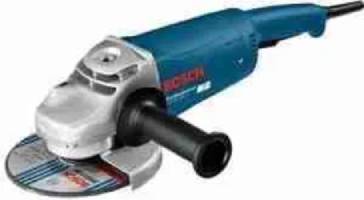
    • Metalworkers rely on powerful angle grinders for heavy-duty fabrication tasks

Conclusion

Quality tools represent the foundation of professional success, and Bosch delivers the reliability that Kenyan tradespeople demand. The combination of robust construction, advanced engineering, and comprehensive support creates an investment that pays dividends through consistent performance. Take the next step towards enhanced productivity by exploring professional-grade solutions that transform challenging projects into profitable successes.

Featured Image Source: https://www.a2z.co.ke/wp-content/uploads/2022/10/Bosch-Angle-Grinder-GWS-20-180-H-Professional.jpg

SMS API Services: 7 Critical Features Every Developer Should Evaluate

The deployment went live at 3 PM on a Tuesday. By 5 PM, the support channel exploded with complaints about missing verification codes. Users couldn’t log in. Password resets weren’t working. The SMS system had quietly failed, taking half the user experience with it.

This exact scenario plays out across development teams every month. The rush to integrate SMS API services often skips the due diligence that prevents these disasters. Choosing the wrong provider doesn’t just break notifications—it damages the entire product reputation.

Most SMS API services look identical on paper. They promise global coverage, instant delivery, and competitive pricing. The differences only emerge when messages start flowing through their systems. Some handle real-world conditions gracefully. Others collapse under basic usage patterns.

Understanding what actually matters takes more effort than comparing feature lists. Here are the technical realities that separate reliable providers from the ones that cause weekend emergencies.

Direct Carrier Access Changes Everything

The path between your application and the user’s phone involves multiple hops. Providers with direct carrier relationships control more of this journey. Those relying on aggregators introduce additional failure points that become obvious during peak traffic periods.

Testing reveals these differences quickly. Send messages to numbers across different countries and carriers. Monitor delivery times and failure rates. Providers with weak carrier relationships show inconsistent performance patterns that become problematic at scale.

Regional coverage varies dramatically between providers. Some excel in North America but struggle with Asian markets. Others handle European traffic well but fail in emerging markets where carrier relationships are more complex.

Speed Variations Tell the Real Story

SMS delivery speeds fluctuate based on carrier load, routing efficiency, and infrastructure quality. Marketing materials rarely mention these variations. Real-world testing shows the differences clearly.

Authentication flows depend on fast message delivery. Users abandon login attempts when verification codes arrive late. E-commerce confirmations lose value when delayed beyond the transaction window. These timing issues compound during high-traffic periods.

Network congestion affects different providers differently. Some maintain consistent speeds during peak hours through better infrastructure planning. Others show significant slowdowns when traffic increases. Load testing reveals these patterns before they impact production systems.

Error Recovery Mechanisms Matter Most

Message failures happen constantly in SMS systems. Invalid numbers, carrier downtime, and regulatory blocks create regular disruptions. How providers handle these failures determines operational complexity.

Detailed error codes help debug delivery issues. Generic failure messages provide no actionable information. Webhook reliability becomes critical for tracking message status and implementing retry logic.

Automatic failover routing improves delivery rates when primary paths fail. Providers without these mechanisms rely on manual intervention to restore service. The difference becomes obvious during carrier outages or network disruptions.

Volume Handling Separates Theory from Practice

SMS systems behave differently under load. Message queuing, rate limiting, and throughput management become critical factors during traffic spikes. Marketing campaigns, security incidents, and seasonal events test these capabilities regularly.

Concurrent connection limits affect integration architecture. Some providers handle hundreds of simultaneous connections efficiently. Others throttle aggressively or fail unpredictably when connection counts increase.

Queue management during outages determines message reliability. Better providers maintain message ordering and implement intelligent retry mechanisms. Weaker ones drop messages or deliver them out of sequence when systems recover.

Support Quality Becomes Critical During Problems

SMS delivery issues don’t follow business hours. Authentication systems fail during weekends. Campaign delivery problems emerge during holidays. Support responsiveness during these periods determines operational impact.

Documentation quality correlates with support effectiveness. Providers with comprehensive guides, code examples, and troubleshooting resources enable faster problem resolution. Those with minimal documentation create dependency on support ticket resolution.

Technical expertise levels vary significantly between support teams. Some can help debug webhook implementations, analyze delivery patterns, and optimize integration performance. Others provide only basic troubleshooting assistance.

The SMS provider choice made today determines operational stability for months or years. Thorough evaluation prevents the emergency migrations that disrupt development schedules and damage user trust. Take time to test these capabilities properly before committing to any provider.

Featured Image Source: https://images.unsplash.com/photo-1611746872915-64382b5c76da

Protecting Your Investment: The Long-Term Value of Professional Painting in Toronto

Property owners across Toronto face constant challenges from harsh weather conditions, urban pollution, and natural wear/tear that gradually diminish their investments. Professional painting represents far more than surface-level improvements, serving as a critical protective barrier that shields buildings from environmental damage. The decision to invest in quality painting services directly impacts long-term property value, maintenance costs, and overall structural integrity throughout the Greater Toronto Area.

Engaging a qualified Toronto Commercial Painter ensures that business properties receive industrial-grade protection designed for high-traffic environments and demanding commercial applications. These specialists understand the unique requirements of office buildings, retail spaces, and industrial facilities where durability and professional appearance directly influence business success. Commercial painting projects require specialised knowledge of building codes, safety regulations, and materials that can withstand heavy use while maintaining their protective qualities.

Professional Toronto Condo Painter services address the specific needs of multi-unit residential buildings where quality standards and coordinated aesthetics are paramount. Condominium painting projects involve complex logistics, resident coordination, and adherence to property management guidelines that amateur painters cannot navigate effectively. These professionals ensure consistent quality across multiple units while minimising disruption to residents and maintaining the building’s overall market appeal and value.

Understanding Paint as Property Protection

  • Weather Resistance Benefits: Toronto’s climate presents unique challenges with freezing temperatures, heavy snowfall, and summer humidity that can cause significant damage to unprotected surfaces. Professional painters select weather-resistant formulations that expand and contract with temperature changes without cracking or peeling. These advanced coatings create moisture barriers that prevent water infiltration, which is the primary cause of structural deterioration in Canadian buildings.
  • UV Protection Advantages: The sun’s ultraviolet rays cause fading, chalking, and premature deterioration of both interior and exterior surfaces throughout Toronto’s bright summer months. Professional-grade paints contain UV stabilisers that maintain colour integrity and surface protection for extended periods. This protection prevents costly repairs and maintains property aesthetics that contribute to sustained market value in Toronto’s competitive real estate environment.
  • Pollution Defence Mechanisms: Urban environments like Toronto expose buildings to airborne contaminants, road salt, and industrial pollutants that can cause permanent staining and surface degradation. Professional painters apply protective coatings that resist these contaminants whilst maintaining easy cleaning capabilities. These specialised formulations prevent pollutants from penetrating building materials, preserving the underlying structure and reducing long-term maintenance requirements.

Quality Materials Make the Difference

  • Premium Paint Formulations: Professional painters source high-quality paints that contain superior pigments, resins, and additives compared to consumer-grade products available at retail stores. These professional formulations offer better coverage, durability, and colour retention that justify their higher initial cost through extended service life. The difference in quality becomes apparent within the first year as professional-grade paints maintain their appearance and protective properties.
  • Specialised Coating Systems: Different surfaces and applications require specific coating systems that amateur painters may not understand or properly apply throughout Toronto properties. Professional painters match primers, base coats, and finish coats to create integrated systems that maximise adhesion and performance. These coordinated systems prevent common failures like peeling, bubbling, and premature wear that result from incompatible product combinations.
  • Application Technique Expertise: The quality of paint application significantly impacts the final result’s durability and appearance, regardless of the paint quality used. Professional painters understand proper surface preparation, application techniques, and environmental conditions that ensure optimal paint performance. Their expertise in spray patterns, brush techniques, and roller applications creates uniform coverage that maximises the paint’s protective and aesthetic benefits.

Economic Benefits of Professional Investment

  • Reduced Maintenance Costs: Professional painting services deliver superior longevity that reduces the frequency of repainting and associated maintenance expenses across Toronto properties. Quality workmanship and materials typically last 50-100% longer than amateur applications, spreading the investment cost over extended periods. This extended service life reduces labour costs, material waste, and property disruption associated with frequent repainting cycles.
  • Enhanced Property Values: Well-maintained painted surfaces contribute significantly to property values in Toronto’s competitive real estate market where appearance and condition influence buyer decisions. Professional painting creates lasting impressions that support higher sale prices and faster market transactions when properties are sold. The investment in quality painting services often returns 75-150% of the initial cost through increased property values.
  • Energy Efficiency Improvements: Modern professional coatings include reflective properties that reduce heat absorption and improve building energy efficiency throughout Toronto’s varied climate conditions. These energy-efficient coatings lower cooling costs during summer months and can contribute to heating efficiency during winter. The cumulative energy savings over the coating’s lifetime often offset a significant portion of the initial painting investment.

Professional Expertise and Project Management

  • Surface Preparation Excellence: Professional painters understand that proper surface preparation accounts for 80% of a successful paint job’s longevity and appearance. They identify and address issues like moisture problems, surface contamination, and structural defects before applying protective coatings. This comprehensive preparation ensures optimal paint adhesion and prevents common failures that compromise both appearance and protection.
  • Safety and Compliance Standards: Professional painting contractors maintain proper insurance, safety equipment, and regulatory compliance that protects property owners from liability and ensures work quality. They understand local building codes, environmental regulations, and safety requirements that govern painting projects in Toronto. This compliance protects property owners from potential legal issues and ensures that work meets professional standards.
  • Project Coordination Capabilities: Large-scale painting projects require careful coordination of materials, labour, and scheduling to minimise disruption whilst maintaining quality standards. Professional painters manage these complex logistics effectively, ensuring that projects progress smoothly and complete on schedule. Their experience in project management prevents common delays and complications that can increase costs and extend completion timelines.

Selecting the Right Professional Service

  • Qualification Assessment Criteria: Property owners should evaluate potential painters based on licensing, insurance coverage, and demonstrated experience with similar projects throughout the Toronto area. Professional painters provide detailed references, portfolio examples, and clear explanations of their processes and materials. They offer comprehensive warranties that protect the investment and demonstrate confidence in their workmanship and material choices.
  • Material and Process Transparency: Reputable professional painters provide detailed specifications for all materials and processes they plan to use on Toronto properties. They explain the rationale behind their recommendations and offer alternatives when appropriate to meet budget and performance requirements. This transparency allows property owners to make informed decisions and understand the value they receive from professional services.
  • Long-term Support Commitments: Professional painting contractors offer ongoing support through maintenance programs, warranty services, and periodic inspections that protect the initial investment. They maintain relationships with clients beyond project completion, providing advice and services that extend coating life and maintain property value. This long-term partnership approach ensures that property owners receive maximum value from their professional painting investment.

Maximising Your Investment Returns

Property owners can enhance their returns by selecting professional painters who understand Toronto’s unique environmental challenges and market conditions. Regular maintenance inspections and prompt touch-up services extend coating life and maintain property appearance between major repainting cycles. Strategic colour and finish selections can improve property appeal whilst providing superior protection against local climate conditions.

The following factors contribute to maximising painting investment returns:

  • Timing considerations: Schedule painting during optimal weather conditions to ensure proper curing and application
  • Maintenance planning: Establish regular cleaning and inspection schedules to extend coating life
  • Quality documentation: Maintain records of materials used and application dates for warranty and maintenance purposes
  • Professional relationships: Develop ongoing relationships with qualified contractors for consistent service quality
  • Performance monitoring: Track coating performance and address issues promptly to prevent costly repairs

Conclusion

Professional painting services represent a strategic investment that protects property values, reduces maintenance costs, and enhances market appeal throughout Toronto’s dynamic real estate landscape. The expertise, quality materials, and comprehensive approaches that professional painters provide deliver superior results that justify their cost through extended service life and improved property performance. Contact qualified painting professionals today to discuss how proper coating systems can protect and enhance your Toronto property investment.

Featured Image Source: https://media.gettyimages.com/id/1369580172/photo/drywall-sander.jpg

Seamless Exploration: The Value of Expert Travel Planning for visiting Egypt

Planning an Egypt adventure can feel overwhelming. The country offers thousands of years of history, countless attractions, and complex logistics that can intimidate even experienced travellers. Ancient temples compete with modern resorts for attention. Desert expeditions clash with Nile cruises in your itinerary planning. This complexity often leads to decision paralysis or rushed bookings that leave travellers disappointed.

Why Professional Planning Makes the Difference

The best travel agency in Egypt understands these challenges intimately. They’ve spent years building relationships with local suppliers and learning the nuances of Egyptian tourism. Professional planners know which hotels offer genuine value rather than just marketing promises. They understand seasonal variations that affect everything from weather to crowd levels. Their expertise transforms your holiday from a series of gambles into calculated decisions based on real experience.

Expert agencies also handle the bureaucratic maze that international travel creates. Visa requirements change regularly. Entry procedures vary depending on your nationality and intended activities. Cairo day tours require different documentation than desert expeditions or Red Sea diving trips. Professional planners stay current with these requirements, ensuring you arrive prepared rather than scrambling at border control.

The Financial Benefits of Expert Booking

Travel agencies maintain relationships with suppliers that individual travellers cannot access. Hotels offer room rates to agencies that are significantly lower than public booking sites. Cruise operators provide group rates even for small parties when booked through established partners. Airlines extend special fares to agencies that guarantee consistent bookings throughout the year.

These pre-negotiated rates often offset agency fees entirely. Many travellers discover their professionally planned trips cost less than self-booked alternatives. The savings increase when you factor in avoided mistakes. Booking the wrong hotel location can cost hundreds in taxi fares. Choosing peak season dates without understanding local patterns leads to inflated prices across all services.

Local Knowledge That Money Cannot Buy

Egyptian tourism operates on unwritten rules that outsiders rarely understand. Prayer times affect attraction opening hours in ways that official schedules don’t reflect. Local festivals can shut down entire districts without advance warning. Weather patterns vary dramatically between Upper and Lower Egypt, affecting clothing and activity choices.

Professional planners share this insider knowledge freely. They know which pyramid sites offer the best photographic opportunities at different times of day. They understand which Nile cruise routes provide the most comprehensive temple visits. They can recommend authentic local restaurants that deliver exceptional experiences without tourist trap pricing.

Support When Things Go Wrong

Travel rarely goes exactly according to plan. Flights get delayed. Weather changes itineraries. Health issues require medical attention. Family emergencies demand immediate return flights. These situations become crises when you’re handling them alone in a foreign country with different languages and customs.

Professional agencies provide 24-hour support hotlines staffed by people who understand Egyptian systems. They maintain relationships with local doctors, translators, and emergency services. When your flight gets cancelled, they’re already rebooking alternatives. When illness strikes, they know which hospitals provide English-speaking staff and international insurance acceptance.

This support extends beyond emergencies. Perhaps you discover an interest in Islamic architecture that wasn’t part of your original itinerary. Maybe the children become fascinated with hieroglyphics and want more tomb visits than planned. Professional planners can adjust schedules, arrange additional guides, and modify bookings to accommodate these discoveries.

The Peace of Mind Factor

Independent travel planning creates constant anxiety. Did you book the right tours? Will the hotel meet expectations? Are you missing must-see attractions? These worries persist throughout your holiday, preventing full enjoyment of the experience. You spend precious vacation time researching alternatives rather than experiencing the destination.

Professional planning eliminates this mental burden. Someone else has already researched options, compared alternatives, and made informed recommendations. Your job becomes enjoying the experience rather than managing logistics. You can focus on photographing the Sphinx rather than worrying about tomorrow’s transportation arrangements.

Maximising Limited Holiday Time

Most people get limited vacation days each year. Egyptian holidays often represent significant investments in both time and money. Wasting even one day on poor planning or logistical confusion diminishes the entire experience. Professional planners help maximise every hour of your trip.

They understand optimal touring sequences that minimise travel time between attractions. They know which combinations of sites work well together and which create logistical nightmares. They can arrange private transportation that saves hours compared to group tours or public transport options.

Time savings extend beyond daily scheduling. Professional planners handle all booking confirmations, voucher printing, and documentation organisation. They provide detailed itineraries with contact information, addresses, and backup plans. You receive everything needed for your trip without spending weeks researching and organising details.

Avoiding Common Tourist Traps

Egypt’s tourism industry includes numerous operators who specifically target independent travellers with inflated prices and substandard services. These businesses rely on one-time customers who won’t return to complain. They offer attractive initial prices that multiply through hidden fees and forced upgrades.

Established travel agencies avoid these operators entirely. They work with verified suppliers who maintain consistent quality standards. They understand the real costs of Egyptian services and can identify suspicious pricing immediately. Their reputation depends on client satisfaction, creating incentives to recommend genuinely good options.

Access to Exclusive Experiences

Many of Egypt’s most memorable experiences require advance arrangements that individual travellers cannot make independently. Private after-hours access to major sites provides photography opportunities without crowds. Meetings with archaeologists offer insights unavailable through standard tours. Traditional sailing expeditions on authentic feluccas create connections with local culture.

Professional agencies maintain relationships with specialists who provide these unique experiences. They know which Egyptologists offer private lectures and which local families welcome visitors for traditional meals. They can arrange sunrise balloon flights, private museum tours, and desert camping expeditions that create lasting memories.

Conclusion

Egyptian travel rewards careful planning with experiences that last a lifetime. The country’s complexity makes professional guidance not just helpful but essential for maximising your investment. Expert planners transform potential stress into genuine excitement, ensuring your Egyptian adventure exceeds expectations rather than disappointing through poor preparation.

Don’t let planning anxiety prevent you from experiencing one of the world’s greatest travel destinations. Contact a professional travel planner today and discover how expert guidance can transform your Egyptian dreams into perfectly executed reality.

Featured Image Source: https://img.freepik.com/free-photo/traveling-with-off-road-car_23-2151473065.jpg

What To Do After An Anchorage Car Accident

Getting into a car accident can feel like a whirlwind of activity and emotions, and it can be particularly scary and chaotic when you’re in Anchorage and have to deal with icy roads and animal crossings. Regardless of how big or small the accident, understanding what steps to take after an Anchorage car accident can be crucial to protecting your health, finances, and legal rights.

You need to understand the important steps after an Anchorage accident, how to make insurance claims for injuries and damages, and when to seek advice from an attorney for knowledge and support.

Stay Safe And Seek Medical Attention

After an Anchorage car accident, your safety is the most important. If you can, safely move to a safe location, then check for any injuries. Even if you feel fine, you should seek medical attention. Some injuries won’t show up until hours later. If you “call 911”, it means that medical personnel will have an opportunity to assess the “scene”, and the police will too. You will need the police report if you are embroiled in an issue, legally or with an insurance company.

Document The Anchorage Accident Scene

While waiting for assistance, document everything at the accident scene. Take photographs of damage to vehicles, conditions of the road, traffic signs, and any visible injuries. Record the contact information of the other driver(s), witnesses, and first responders. This can be important evidence if your Anchorage accident is disputed with the insurance company or you decide to file a personal injury claim. The more comprehensive your documentation, the better your chances.

Notify Your Insurance Provider Promptly

Reporting the Anchorage accident to your insurance company without delay is vital. To do so, you must give your insurer accurate information, photographs, and official reports. You should not imply that you are at fault, nor speculate on what caused the accident. Your insurer will ultimately open a claim, establish liability, and deal with repairs or compensation.

Know When To Contact An Attorney

Not every accident calls for an attorney. But it is a good idea to talk to your attorney if you have experienced injuries, if your vehicle sustained serious damage, or if there are any difficulties regarding insurance. An experienced attorney can explain your rights, provide a fair compensation analysis, and negotiate. A personal injury attorney can be your best advocate for disputes regarding your Anchorage car accident.

Common Causes Of Anchorage Accidents

Knowing the factors behind many Anchorage accidents can help you focus on the road. Factors that frequently contribute include ice and snow, wildlife crossing the road, speeding, distracted driving, and roads with poor maintenance. Local knowledge is extremely useful and important, especially in the long, dark winters, where visibility and traction on the road can be compromised.

The Road To Recovery Takes Time

It can take time to recover physically, emotionally, and financially after an accident. Follow your treating doctor’s recommendations, attend all appointments, and document your healing process. If you choose the claim route, this documentation benefits your case. Lastly, recovering from the accident also means getting fair compensation for your injuries, damages, pain and suffering, and loss of income.

Featured Image Source: https://img.freepik.com/premium-photo/front-silver-car-get-damaged-by-crash-accident-road_30478-2773.jpg

Addressing Complexities: Specialized Surgical Solutions for Breast Conditions

Breast conditions extend far beyond the straightforward cases many people imagine. Complex anatomical variations, congenital asymmetries, and revision surgeries present unique challenges that require exceptional surgical skill. These intricate conditions often leave patients feeling overwhelmed, particularly when standard approaches fail to address their specific needs.

Breast surgery in London has evolved to encompass highly specialised techniques for managing complex cases. Leading surgeons in the capital employ advanced methods to address challenging conditions that demand precision and expertise. These professionals understand that each complex case requires a tailored approach, considering both functional restoration and aesthetic outcomes for optimal patient satisfaction.

Specialised surgical centres focus on cases that other facilities might consider too challenging. Complex benign diseases, congenital deformities, and failed previous surgeries require surgeons with extensive experience in handling diverse presentations. These cases often involve multiple surgical stages and require careful planning to achieve the desired results whilst minimising complications.

Understanding Complex Breast Conditions

  • Congenital Asymmetries and Developmental Anomalies: Breast asymmetry affects many women, ranging from mild differences to severe developmental anomalies. Congenital conditions like tuberous breast deformity or Poland syndrome require specialised reconstruction techniques. These conditions impact both physical appearance and psychological wellbeing, making expert surgical intervention crucial for restoring confidence and function.
  • Complex Benign Disease Management: Certain benign breast conditions present significant surgical challenges. Recurrent infections, complex cysts, and atypical hyperplasia require careful surgical planning. These conditions often involve multiple tissue types and may require reconstruction techniques that preserve breast function whilst addressing the underlying pathology effectively.
  • Revision Surgery Complexities: Failed previous surgeries create particularly challenging scenarios. Scar tissue, altered anatomy, and compromised blood supply complicate revision procedures. Surgeons must navigate these complications whilst achieving improved outcomes, often requiring creative approaches and advanced techniques to restore both form and function successfully.

Advanced Surgical Techniques for Complex Cases

  • Microsurgical Reconstruction Methods: Complex breast reconstruction procedures often require microsurgical techniques to achieve optimal results. These procedures involve connecting tiny blood vessels and nerves, demanding exceptional surgical skill and specialised equipment. The precision required for these techniques ensures better healing and more natural results for patients facing challenging reconstructive needs.
  • Multi-Stage Surgical Planning: Complex cases frequently require multiple surgical stages to achieve desired outcomes. Surgeons must carefully plan each phase, considering tissue healing, patient recovery, and ultimate aesthetic goals. This approach allows for adjustments between stages and ensures each step builds upon previous work to create comprehensive solutions.
  • Computer-Assisted Surgical Planning: Modern technology enables surgeons to plan complex procedures using three-dimensional imaging and computer modelling. These tools help visualise surgical outcomes before the procedure begins. This technology proves particularly valuable for revision surgeries and complex reconstructions where precise planning determines success.

Selecting the Right Surgical Expertise

  • Experience with Diverse Case Types: Surgeons handling complex breast conditions must demonstrate extensive experience across various presentations. Their portfolio should include congenital anomalies, revision surgeries, and complex reconstructions. This breadth of experience ensures they can adapt techniques to meet each patient’s unique requirements whilst maintaining high standards of care.
  • Specialised Training and Credentials: Complex breast surgery requires additional training beyond standard surgical qualifications. Look for surgeons with fellowships in reconstructive surgery or specialised breast surgery programmes. These credentials indicate advanced training in handling challenging cases that demand sophisticated surgical techniques and comprehensive understanding of breast anatomy.
  • Team-Based Approach to Complex Cases: The most challenging breast conditions often require collaborative care involving multiple specialists. Successful outcomes depend on coordination between surgeons, radiologists, pathologists, and reconstruction specialists. This team approach ensures comprehensive evaluation and treatment planning for even the most complex presentations.

Patient-Centred Care for Complex Conditions

  • Comprehensive Consultation Process: Complex breast conditions require thorough evaluation and detailed consultation. Surgeons must assess medical history, previous treatments, and patient expectations before recommending treatment approaches. This comprehensive process ensures realistic expectations and optimal treatment planning tailored to individual circumstances and desired outcomes.
  • Psychological Support Integration: Patients facing complex breast conditions often experience significant emotional distress. Quality surgical centres integrate psychological support into their care pathways. This holistic approach addresses both physical and emotional aspects of treatment, ensuring patients feel supported throughout their surgical journey and recovery process.
  • Long-Term Follow-Up Care: Complex breast surgeries require extended follow-up care to monitor healing and address any complications. Surgeons must provide comprehensive aftercare programmes that include regular assessments, revision options, and ongoing support. This commitment to long-term care ensures optimal outcomes and patient satisfaction over time.

Technology and Innovation in Complex Breast Surgery

  • 3D Imaging and Virtual Planning: Advanced imaging technology allows surgeons to create detailed three-dimensional models of breast anatomy before surgery. This technology proves invaluable for complex cases where precise planning determines success. Virtual planning helps surgeons anticipate challenges and develop strategies for achieving optimal outcomes whilst minimising surgical risks.
  • Minimally Invasive Techniques: Where appropriate, minimally invasive approaches can reduce surgical trauma for complex conditions. These techniques require specialised training and equipment but offer benefits including reduced scarring and faster recovery. Surgeons must carefully evaluate each case to determine when these approaches provide advantages over traditional methods.
  • Improved Implant Technology: Modern breast implants offer enhanced options for complex reconstructions. New materials and designs provide better outcomes for challenging cases, including revision surgeries and congenital anomalies. These advances enable surgeons to achieve more natural results whilst reducing complication rates in complex presentations.

Managing Expectations and Outcomes

  • Realistic Goal Setting: Complex breast conditions often require multiple procedures to achieve desired outcomes. Surgeons must communicate realistic expectations and timelines to patients. This honest approach prevents disappointment and ensures patients understand the commitment required for successful treatment of their complex condition.
  • Complication Management: Complex cases carry higher risks of complications than routine procedures. Experienced surgeons develop protocols for managing potential complications and communicate these risks clearly to patients. Proper preparation and rapid response to complications minimise their impact on final outcomes.
  • Quality Metrics and Outcomes: The best surgical centres track outcomes for complex cases and use this data to improve their techniques. Consider the following factors when evaluating surgical expertise:
    • Experience with your specific condition type and complexity level
    • Complication rates and revision requirements for similar cases
    • Patient satisfaction scores and long-term follow-up data
    • Integration of latest techniques and technology advances
    • Comprehensive care team including support specialists

Conclusion

Complex breast conditions demand surgical expertise that goes beyond routine procedures. The intricacies of congenital anomalies, revision surgeries, and complex benign diseases require surgeons with extensive experience and specialised training. Patients facing these challenging conditions deserve access to the most qualified surgical teams who understand both the technical demands and emotional impact of complex breast surgery. If you’re dealing with a complex breast condition, seek consultation with specialists who demonstrate proven expertise in handling cases similar to yours.

Featured Image Source: https://img.freepik.com/free-photo/female-doctor-diagnosing-melanoma-body-female-patient_23-2149365867.jpg

The Role of the Shoulder Bolt in High-Speed, High-Stress Machinery

High-speed machinery faces challenges that standard fasteners simply cannot handle. The forces generated in modern industrial equipment create stresses that push conventional bolts beyond their limits. Equipment failures often trace back to inadequate fastening solutions that buckle under pressure.

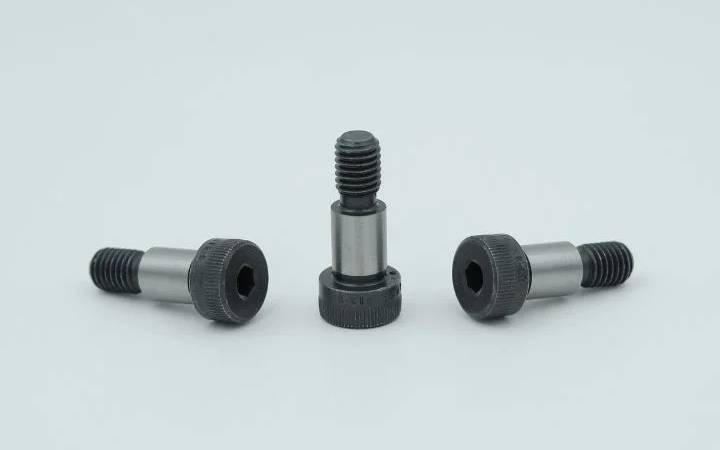
When engineers need reliable performance in rotating assemblies, the shoulder bolt becomes their primary choice. This specialised fastener handles both axial loads and rotational movements with remarkable consistency. The design separates threading from the bearing surface, creating a solution that performs where others fail.

The unthreaded shoulder section acts as a precise bearing surface that maintains dimensional stability under load. This feature distinguishes shoulder bolts from conventional threaded fasteners that can deform under stress. The separation of functions allows each component to excel at its specific task.

Understanding Shoulder Bolt Construction

The anatomy of a shoulder bolt reveals why it performs so well in demanding applications. The head provides clamping force while the smooth shoulder creates a bearing surface. The threaded portion secures the assembly without interfering with rotational movement.

Material selection plays a crucial role in shoulder bolt performance. Stainless steel variants resist corrosion in harsh environments while maintaining strength. Alloy steel options provide superior tensile strength for extreme load applications. The choice depends on specific operating conditions and requirements.

Surface treatments enhance performance characteristics beyond base material properties. Hard chrome plating reduces friction and wear in high-cycle applications. Anodising provides corrosion resistance whilst maintaining precise dimensional tolerances. These treatments extend service life considerably.

Load Distribution in High-Stress Applications

Shoulder bolts excel at distributing loads across bearing surfaces rather than concentrating stress at thread roots. This distribution prevents the stress concentration points that often lead to fatigue failures. The design spreads forces more evenly throughout the connection.

The bearing length of the shoulder determines load capacity and wear characteristics. Longer shoulders distribute loads over greater surface areas but require more space. Shorter shoulders concentrate loads but fit in tighter spaces. Engineers must balance these factors based on application requirements.

Contact stresses between the shoulder and mating components directly affect service life. Proper surface finishes and hardness combinations minimise wear whilst maintaining smooth operation. Mismatched materials can lead to premature failure through galling or excessive wear.

Precision Movement Control

High-speed machinery demands precise control of moving components to maintain accuracy and prevent damage. Shoulder bolts provide the stable pivot points that enable smooth motion without introducing unwanted play. The clearance between shoulder and hole determines movement characteristics.

Running clearances must be carefully calculated to prevent binding whilst minimising backlash. Too tight creates friction and heat buildup that can cause seizure. Too loose allows excessive movement that affects precision and creates wear patterns.

Lubrication systems work differently with shoulder bolts compared to conventional fasteners. The bearing surface requires consistent lubrication to prevent wear and maintain smooth operation. Sealed designs protect lubrication from contamination whilst maintaining performance over extended periods.

Heat Management Considerations

High-speed operation generates heat that affects both the shoulder bolt and surrounding components. Thermal expansion can alter clearances and affect performance if not properly managed. Material choices must account for operating temperature ranges and expansion coefficients.

Heat dissipation through the shoulder bolt can help manage component temperatures in some applications. The metal mass acts as a heat sink that draws thermal energy away from critical areas. This effect can be enhanced through material selection and design optimisation.

Temperature cycling creates additional stresses that must be considered in shoulder bolt selection. Repeated heating and cooling can cause fatigue failures if materials and clearances are not properly matched. Testing under realistic thermal conditions reveals potential issues before field failures occur.

Fatigue Resistance in Cycling Applications

Shoulder bolts in high-speed machinery face millions of stress cycles during their service life. The fatigue strength of the material and design becomes critical for long-term reliability. Stress concentrations at design transitions must be minimised through careful engineering.

The smooth shoulder eliminates the stress risers found in threaded sections that experience cyclic loading. This design feature significantly improves fatigue life compared to conventional bolts used in similar applications. The result is longer service intervals and reduced maintenance requirements.

Surface finish quality directly affects fatigue performance through its impact on crack initiation. Machining marks and surface imperfections create stress concentration points where fatigue cracks can start. Polished surfaces resist crack initiation and extend service life.

Installation Best Practices

Proper installation techniques ensure shoulder bolts perform as designed throughout their service life. Torque specifications must account for the bearing loads on the shoulder section. Over-tightening can distort components and affect clearances whilst under-tightening allows movement that causes wear.

Thread engagement length affects the strength of the connection and load distribution. Insufficient engagement can lead to thread stripping under load. Excessive engagement may not provide additional strength but can complicate assembly and maintenance procedures.

Alignment during installation prevents binding and premature wear of bearing surfaces. Misalignment creates edge loading that concentrates stresses and reduces service life. Assembly fixtures and careful measurement ensure proper positioning throughout the installation process.

Maintenance and Monitoring

Regular inspection schedules help identify wear and tear patterns and potential issues before they cause failures. Visual inspection reveals surface damage, corrosion, or displacement that indicates problems. Measurement tools can detect dimensional changes that affect performance.

Lubrication maintenance becomes critical for shoulder bolts in high-speed applications. The bearing surfaces require fresh lubricant to prevent wear and maintain smooth operation. Contaminated lubricant can cause more damage than no lubrication at all.

Replacement criteria should be established based on measurable wear limits rather than time intervals alone. Shoulder diameter reduction, thread damage, or surface roughness changes indicate when replacement is necessary. Preventive replacement schedules reduce unexpected failures.

Common Failure Modes

Understanding how shoulder bolts fail helps engineers design better systems and maintenance programmes. Bearing surface wear is the most common failure mode in high-cycle applications. This wear changes clearances and affects performance before complete failure occurs.

Thread damage typically occurs during installation or removal rather than during normal operation. Cross-threading or over-torquing creates damage that weakens the connection. Proper tools and procedures prevent most thread-related failures.

Corrosion failures develop over time in harsh environments where protective coatings break down. The combination of moisture, chemicals, and stress accelerates corrosion rates. Regular inspection and protective maintenance prevent most corrosion-related failures.

Material Selection Criteria

Different applications require specific material properties to achieve optimal performance and service life. Stainless steel provides excellent corrosion resistance but may lack the hardness needed for high-wear applications. Carbon steel offers strength but requires protective coatings in corrosive environments.

Hardness requirements must balance wear resistance against brittleness that can lead to fracture failures. Surface hardening treatments can provide wear resistance whilst maintaining core toughness. The combination of properties must match application requirements.

Compatibility with mating materials prevents galvanic corrosion and galling problems that can cause seizure. Similar hardness levels between components often provide the best wear characteristics. Dissimilar metals may require protective coatings or barrier materials.

Design Optimisation Strategies

Engineers can optimise shoulder bolt performance through careful attention to design details that affect stress distribution and wear patterns. Fillet radii at the shoulder-to-head transition reduce stress concentrations that can initiate fatigue cracks. Larger radii generally provide better fatigue performance.

The shoulder-to-thread transition also requires careful design to prevent stress concentrations. Sharp corners create stress risers that reduce fatigue life. Smooth transitions distribute stresses more evenly throughout the fastener.

Length optimisation balances strength requirements against weight and space constraints. Longer shoulders provide more bearing area but add weight and require more space. The optimal length achieves required performance with minimum material usage.

Future Developments

Advanced materials continue to expand the capabilities of shoulder bolts in demanding applications. Titanium alloys provide exceptional strength-to-weight ratios for aerospace applications. Specialty steels offer improved fatigue resistance and corrosion protection for industrial uses.

Manufacturing techniques like cold forming can improve material properties whilst reducing costs. The work hardening effect of cold forming increases strength and fatigue resistance. Precision manufacturing reduces the need for secondary operations.

Surface engineering developments create new possibilities for performance enhancement. Advanced coatings provide multiple benefits including wear resistance, corrosion protection, and friction reduction. These treatments can extend service life significantly over conventional options.

Conclusion

Shoulder bolts represent a specialised solution for the unique challenges of high-speed, high-stress machinery. Their design separates bearing and clamping functions to provide reliable performance where conventional fasteners fail. The key to success lies in proper selection, installation, and maintenance practices that recognise the specific requirements of each application.

Understanding the principles behind shoulder bolt performance helps engineers make better decisions about when and how to use these specialised fasteners. The investment in proper shoulder bolt selection and installation pays dividends through reduced maintenance costs and improved equipment reliability.

Contact experienced fastener specialists to discuss your specific high-speed machinery requirements and ensure optimal shoulder bolt selection for your critical applications.

Featured Image Source: https://sp-ao.shortpixel.ai/client/to_auto,q_glossy,ret_img/https://upsind.com/wp-content/uploads/2024/05/Untitled-design-17.jpg

Synthetic Urine with Belt vs Bottled Kits: What’s the Difference?

Drug testing scenarios create stress for many people. The pressure to pass these tests has led to the creation of various solutions, with synthetic urine becoming increasingly popular. Two main delivery methods dominate the market: belt-attached systems and traditional bottled kits. Understanding the differences between these options helps users make informed decisions based on their specific circumstances. 

Belt Systems Offer Hands-Free Convenience

Synthetic urine with belt systems have revolutionized how users transport and deploy artificial samples. These kits attach directly to the waist, keeping the synthetic urine close to body temperature naturally. The belt design eliminates the need for manual temperature management during critical moments. Users can walk confidently knowing their sample stays concealed and maintains proper heat levels without constant monitoring.

Temperature consistency represents the biggest advantage of belt systems. Body heat maintains the synthetic urine at optimal levels throughout the day. The Spectrum Quick Fix Plus demonstrates this principle effectively, though belt-attached alternatives offer superior temperature stability. Most belt kits include tubing systems that allow discreet dispensing without removing the entire apparatus. This design proves particularly valuable in supervised testing environments where privacy remains limited.

Traditional Bottles Provide Flexibility

Bottled synthetic urine kits dominate the market due to their straightforward approach. These containers hold pre-mixed synthetic urine that users can transport in pockets, bags, or other concealed locations. The simplicity appeals to first-time users who prefer familiar packaging over specialized delivery systems. Bottles also allow users to examine the synthetic urine before use, checking color and consistency visually.

Temperature control with bottled systems requires more active management. Users must warm the synthetic urine using heating pads or other external sources before testing. This process demands timing and attention to detail that some people find stressful. The bottles themselves can feel bulky in pockets, creating anxiety about detection during pat-downs or security checks at testing facilities.

Usability Varies by Testing Environment

Testing environments significantly influence which synthetic urine delivery method works best. Unsupervised tests favor bottled systems because users have privacy and time to manage temperature control. They can take their time warming the sample and ensuring everything looks correct before submission. The relaxed atmosphere reduces pressure and allows for careful preparation.

Supervised testing scenarios present different challenges that often favor belt systems. The constant observation makes traditional bottle handling risky and obvious to trained personnel. Belt-attached systems allow users to dispense synthetic urine more naturally while maintaining the appearance of normal bathroom behavior. The hands-free operation reduces suspicious movements that might alert supervisors to artificial sample use.

Temperature Control Methods Differ Significantly

Belt systems excel at passive temperature maintenance through body heat transfer. The synthetic urine stays close to natural body temperature without requiring external heating sources. This consistency eliminates the guesswork involved in timing and temperature management. Users don’t need to worry about overheating or cooling during transport to testing facilities.

Bottled kits require active temperature management that can prove challenging. Heating pads provide the most common warming method, but they require careful timing and monitoring. Too much heat can damage the synthetic urine’s chemical composition, while insufficient warming results in suspicious temperature readings. The narrow window for optimal temperature creates additional stress during already anxious situations.

Concealment Options Present Trade-offs

Belt systems integrate concealment into their core design philosophy. The synthetic urine stays hidden against the body, making detection extremely difficult during casual inspections. The streamlined profile doesn’t create obvious bulges that might raise questions. Some advanced belt systems even include fake genitalia for enhanced realism during supervised tests.

Bottled synthetic urine requires creative concealment strategies that vary by individual circumstances. Pockets work for basic situations, but deeper searches can reveal hidden containers easily. Some users tape bottles to their bodies, though this approach can prove uncomfortable and unreliable. The external concealment methods add complexity and potential failure points to the overall strategy.

Cost Considerations Affect Decision-Making

Belt systems typically cost more than bottled alternatives due to their specialized design and additional components. The tubing, heating elements, and belt apparatus require more manufacturing complexity than simple bottles. This higher upfront cost can deter budget-conscious users who view synthetic urine as a one-time expense.

Bottled kits offer affordability that appeals to first-time users and those facing unexpected testing situations. The lower price point makes experimentation less risky financially. Users can purchase multiple bottles for practice or backup purposes without significant investment. The cost difference might influence decision-making for people facing multiple tests over time.

Reliability Factors Impact Success Rates

Belt system reliability depends on proper fitting and component function. The tubing can kink or disconnect, creating embarrassing failures during critical moments. Users must test their belt systems beforehand to ensure everything works correctly. The complexity introduces more potential failure points compared to simple bottled alternatives.

Bottled synthetic urine offers mechanical simplicity that reduces failure risks. The straightforward design has fewer components that can malfunction during use. Users simply remove the cap and pour, eliminating concerns about tubing problems or belt malfunctions. This reliability appeals to people who prefer proven, simple solutions over complex alternatives.

User Experience Varies by Personal Preference

Some people prefer the confidence that belt systems provide through passive temperature control and hands-free operation. The set-and-forget approach reduces anxiety and allows users to focus on other aspects of test preparation. The professional appearance of quality belt systems can boost confidence during stressful testing situations.

Others find bottled systems more intuitive and controllable. The ability to physically handle the synthetic urine before testing provides reassurance about quality and temperature. The familiar bottle format doesn’t require learning new techniques or procedures. This comfort factor can prove valuable for people already stressed about upcoming drug tests.

Conclusion

Choosing between belt-attached and bottled synthetic urine depends on individual circumstances and testing environments. Belt systems excel in supervised situations requiring discretion and consistent temperature control. Bottled kits work well for unsupervised tests where users have privacy and time for preparation. Consider your specific testing scenario, budget constraints, and personal comfort level when making this important decision. Research available options thoroughly and practice with your chosen method before facing actual testing situations.

Featured Image Source: https://detoxforless.com/product/synthetix5-urine-belt-kit

Buy Egyptian Cotton Sheets King Size: A Game-Changer for Hot Sleepers

Tossing and turning through another sweltering night leaves you exhausted before the day begins. Your sheets cling to the damp skin while you search desperately for a cool spot on your pillow. This nightly struggle affects millions who battle excessive heat during sleep.

The Science Behind Egyptian Cotton’s Cooling Power

Hot sleepers often struggle with conventional bedding materials that trap heat and moisture. When you buy Egyptian cotton sheets king size, you’re investing in fibers with longer staples that create more space between threads. This natural structure allows air to circulate freely through the weave.

The superior breathability comes from cotton grown exclusively in Egypt’s Nile River valley. These luxury Egyptian cotton sheets for sale undergo careful processing that preserves the fiber’s natural properties. Unlike synthetic blends, pure Egyptian cotton maintains its cooling abilities wash after wash.

Temperature Regulation That Actually Works

Traditional cotton blends often disappoint hot sleepers with their heat-trapping tendencies. Egyptian cotton’s long-staple fibers create a looser weave that promotes airflow. Your body heat escapes naturally instead of building up beneath the covers.

The moisture-wicking capabilities surpass standard cotton by significant margins. Perspiration evaporates quickly through the breathable fabric structure. You wake up feeling dry and refreshed instead of clammy and uncomfortable.

Why Thread Count Matters for Hot Sleepers

Many assume higher thread counts equal better quality, but this misconception can trap hot sleepers in suffocating bedding. Egyptian cotton performs best with thread counts between 300-600. This range provides the perfect balance of softness and breathability.

Sheets with excessive thread counts create dense fabrics that block airflow. Your investment in cooling comfort disappears when manufacturers pack too many threads into each square inch. Smart shoppers focus on fiber quality over inflated numbers.

Durability Meets Comfort in Every Thread

Egyptian cotton’s strength comes from its unusually long fibers that resist the effects of breaking and pilling of the sheets. Hot sleepers who wash their sheets frequently benefit from this durability. The fabric maintains its cooling properties through countless wash cycles.

The natural softness improves with each washing, creating a luxurious feel that synthetic materials cannot replicate. Your sheets become more comfortable over time rather than deteriorating like cheaper alternatives.

Choosing the Right Weave for Maximum Cooling

Percale weave offers the ultimate experience of cooling for hot sleepers. This one-over-one pattern maximizes airflow while maintaining durability. The crisp feel stays cool against your skin throughout the night.

Sateen weaves provide silky smoothness but may retain more heat. Hot sleepers should prioritize percale construction for optimal temperature control. The slightly textured surface actually enhances the cooling sensation.

Investment Value That Pays Off Nightly

Quality Egyptian cotton sheets cost more upfront but deliver years of comfortable sleep. Hot sleepers who previously replaced cheap bedding frequently save money long-term. The superior materials justify the initial expense through lasting performance.

Consider the cost per night over a sheet set’s lifetime. Premium Egyptian cotton often costs less than a dollar per night of improved sleep quality. Can you put a price on waking up refreshed instead of overheated?

Care Instructions for Lasting Coolness

Proper washing maintains Egyptian cotton’s cooling properties for years. Use cold water and gentle detergents to preserve the fiber structure. High heat damages the natural properties that make these sheets perfect for hot sleepers.

Line drying works best, but low heat settings won’t harm quality Egyptian cotton. Avoid fabric softeners that coat fibers and reduce breathability. Simple care routines keep your sheets performing at their cooling peak.

Common Mistakes Hot Sleepers Make

Many hot sleepers assume all cotton performs similarly, leading to disappointing purchases. Regular cotton and cotton blends lack the superior breathability of true Egyptian varieties. Always verify the cotton’s origin before buying.

Synthetic blends marketed as “cooling” often disappoint with their heat-trapping tendencies. These materials may feel cool initially but warm up quickly with body heat. Natural Egyptian cotton provides consistent temperature regulation throughout the night.

Seasonal Considerations for Year-Round Comfort

Egyptian cotton sheets adapt to seasonal temperature changes better than synthetic alternatives. Summer nights become bearable with their exceptional breathability. Winter use remains comfortable without the excessive warmth of flannel or jersey knits.

The natural temperature regulation means you might not need separate summer and winter bedding. One high-quality set of Egyptian cotton sheets serves hot sleepers year-round. This versatility adds to their long-term value proposition.

Transform Your Sleep Experience Tonight

Hot sleepers deserve restful nights without constant temperature battles. Egyptian cotton sheets offer the cooling relief you’ve been searching for. The natural breathability and moisture-wicking properties create an ideal sleep environment.

Stop accepting poor sleep quality as inevitable. Your bedroom should be a cooling sanctuary, not a heat trap. Make the switch to genuine Egyptian cotton and experience the difference quality materials make. Start shopping for your perfect set today and reclaim your right to comfortable, refreshing sleep.

Featured Image Source: https://www.luxuryegyptianlinens.com/kingsheetsets2.html

From Fresh to Profitable: How Dehydration Adds Value to Your Produce

The agricultural sector faces a persistent challenge that costs billions annually. Fresh produce spoils quickly, leaving farmers and food businesses with mountains of waste that could have generated substantial revenue. Smart operators have discovered a solution that transforms this problem into profit.

Dehydration technology offers a pathway to convert perishable goods into shelf-stable products with remarkable profit margins. A food dryer machine becomes the cornerstone of this transformation, turning surplus harvests into premium dried goods. Commercial operators report profit increases of 300-500% when switching from fresh to dried product lines.

The versatility of modern drying equipment extends beyond simple fruit processing. A fruit dryer machine handles diverse products from tropical mangoes to temperate apples, creating consistent results across different produce types. This flexibility allows businesses to adapt their product lines based on seasonal availability and market demands.

The Economics of Dehydration

Fresh bananas sell for approximately £1.20 per kilogram at wholesale prices. Those same bananas, processed into crispy chips, command £8-12 per kilogram in retail markets. The mathematics become compelling when businesses calculate the potential revenue from equipment that processes hundreds of kilograms daily.

Storage costs plummet when products undergo proper dehydration. Fresh produce requires refrigerated transport and has a shelf life measured in days or weeks. Dried alternatives store at room temperature for months or years, reducing logistics expenses and waste dramatically.

Market research reveals that dried fruit sales have grown 45% over the past five years. Consumer preferences shift towards healthy snacking options, creating sustained demand for quality dehydrated products across multiple retail channels.

Popular Products and Their Margins

Banana chips represent one of the most profitable dried products available. The process removes 80% of the water content whilst concentrating flavours and nutrients. Properly dried banana chips achieve shelf lives exceeding 12 months without preservatives.

Dried mango strips command premium prices in health food stores and online marketplaces. The tropical fruit’s natural sweetness intensifies during dehydration, creating a product that competes directly with processed confectionery at higher price points.

Herb dehydration offers perhaps the highest profit margins in the sector. Fresh herbs spoil within days, but dried versions maintain potency for years. Restaurants and food manufacturers pay premium prices for consistently dried herbs that meet their quality specifications.

Equipment Selection and Capacity Planning

Commercial dehydration requires equipment that handles substantial volumes efficiently. Industrial units process 50-500 kilograms per batch, depending on the product type and desired moisture content. Energy efficiency becomes crucial when operating at scale.

Temperature control systems ensure consistent results across different product types. Fruits typically require temperatures between 55-70°C, whilst vegetables need 50-60°C for optimal nutrient retention. Advanced units offer programmable settings for different product categories.

Airflow design affects drying uniformity and processing times. Professional equipment incorporates forced air circulation systems that eliminate hot spots and reduce processing times by 30-40% compared to basic models.

Quality Control and Market Standards

Moisture content measurement determines product shelf life and quality. Most dried fruits require moisture levels below 20% for safe storage, whilst vegetables need 10% or less. Professional operators use calibrated meters to verify these specifications.

Colour retention affects consumer acceptance and pricing. Proper dehydration preserves natural colours whilst concentrating flavours. Products that maintain vibrant colours command higher prices in competitive markets.

Packaging considerations become critical for maintaining product quality. Dried products require moisture-proof packaging to prevent rehydration and spoilage. Many businesses invest in vacuum sealing equipment to extend shelf life further.

Scaling Operations for Maximum Profit

Starting with smaller capacity equipment allows businesses to test markets before major investments. Many successful operations begin with 20-50 kilogram capacity units, then expand as demand grows and cash flow improves.

Product diversification reduces risk and increases revenue potential. Businesses that process multiple product types can adapt to seasonal variations and market fluctuations more effectively than single-product operations.

Distribution channels determine profit margins significantly. Direct-to-consumer sales through farmers’ markets or online platforms generate higher margins than wholesale distribution to retailers or food service operations.

Energy Efficiency and Operating Costs

Modern dehydration equipment incorporates heat recovery systems that reduce energy consumption by 25-35%. These systems capture waste heat from the drying process and pre-warm incoming air, lowering operating costs substantially.

Solar-assisted drying systems offer additional cost savings in suitable climates. Hybrid systems combine solar heating with conventional energy sources, reducing electricity costs whilst maintaining consistent processing capability.

Preventive maintenance schedules ensure equipment operates at peak efficiency. Regular cleaning and component replacement prevent costly breakdowns and maintain energy efficiency throughout the equipment’s operational life.

Market Positioning and Pricing Strategies

Premium positioning requires consistent quality and attractive packaging. Businesses that invest in professional branding and quality packaging achieve price premiums of 40-60% over generic alternatives.

Organic certification opens access to higher-value market segments. Certified organic dried products command significant price premiums whilst attracting health-conscious consumers willing to pay for quality.

Private labelling opportunities exist with retailers seeking unique product offerings. Many businesses generate substantial revenue by producing dried goods under retailer brand names whilst maintaining their own product lines.

Regulatory Considerations and Food Safety

Food safety regulations require proper sanitation and processing procedures. Commercial dehydration operations must comply with local health department requirements and maintain detailed processing records.

Labelling requirements vary by jurisdiction but typically include ingredient lists, nutritional information, and storage instructions. Proper labelling prevents regulatory issues and builds consumer confidence in product quality.

Hazard analysis systems identify potential contamination risks throughout the processing chain. Professional operations implement comprehensive food safety protocols to protect consumers and maintain business reputation. 

Conclusion

The transformation from fresh to dried products represents a significant opportunity for agricultural businesses seeking higher profit margins and reduced waste. Modern dehydration technology provides the tools necessary to capture this value whilst meeting growing consumer demand for healthy, shelf-stable products. Success requires careful equipment selection, quality control procedures, and strategic market positioning to achieve maximum profitability in this expanding sector.

Featured Image Source: https://airtekdehydrator.com/wp-content/uploads/2021/07/CC1500-600×600.png

What Personal Injury Attorneys Should Expect from Medical Cost Projection Specialists

Catastrophic injury cases often hinge on future medical costs. Defense attorneys know this. They attack these projections relentlessly because healthcare expenses usually represent the largest damage component.

A medical cost projection specialist bridges the gap between medical necessity and economic reality. The problem? Not all specialists deliver the same quality of analysis.

Beyond Basic Bill Calculation

Medical cost projection involves more than adding up current treatment costs and extending them forward. Specialists must account for disease progression, changing medical protocols, and geographic cost variations.

Take spinal cord injuries. Initial hospitalization costs are just the beginning. The real expenses come from decades of specialized equipment, medications, and ongoing therapies. Each injury level requires different interventions with vastly different price points.

Specialists need to understand these medical nuances. Otherwise, projections become guesswork that crumbles under cross-examination.

Essential Qualifications

The field attracts professionals from various healthcare backgrounds. Clinical experience matters more than advanced degrees.

Registered nurses with rehabilitation experience understand complex care coordination. They know which treatments are truly necessary versus those that are merely convenient.

Physicians specializing in physical medicine bring diagnostic expertise. They can assess how conditions might change over time and what treatments will become necessary.

Case managers from major healthcare systems understand cost structures across different providers and regions.

Certification programs exist for life care planning and medical cost analysis. These credentials indicate formal training in projection methodology rather than just clinical knowledge.

Previous expert witness experience helps but shouldn’t be the primary qualification. Some excellent clinicians make terrible witnesses.

What Quality Analysis Includes

Proper medical cost projections address multiple variables that affect long-term expenses.

Geographic adjustments are crucial. The same medical procedure costs three times more in certain metropolitan areas compared to rural regions. Specialists need current data on local healthcare pricing.

Inflation calculations require specialized knowledge. Healthcare inflation typically exceeds general economic inflation. Using standard inflation rates underestimates future costs significantly.

Multiple scenarios provide realistic ranges. Best-case outcomes might reduce certain expenses while worst-case progressions could require additional interventions. Courts appreciate this honesty about uncertainty.

Technology considerations affect projections. Some current treatments may become obsolete while new therapies emerge. Conservative specialists acknowledge these possibilities rather than claiming perfect foresight.

Life expectancy calculations must reflect the specific medical condition rather than general population statistics. This requires understanding how various injuries and illnesses affect mortality.

Common Weaknesses That Get Exploited

Defense attorneys target predictable weaknesses in medical cost projections.

Unrealistic cost estimates stand out immediately. Defense experts research comparable cases and highlight discrepancies. Projections that seem inflated lose credibility quickly.

Poor data sources create vulnerability. Specialists using outdated fee schedules or inappropriate geographic data give opposing counsel easy targets for criticism.

Failure to separate injury-related costs from pre-existing conditions or normal aging expenses provides another attack vector. Every projection must clearly distinguish between damages caused by the incident versus unrelated healthcare needs.

Overly precise projections without acknowledging uncertainty appear unrealistic. Healthcare involves inherent unpredictability. Specialists claiming exact knowledge of costs decades into the future lose credibility.

Conclusion

Medical cost projection specialists serve as critical allies in catastrophic injury litigation. Their expertise transforms complex medical needs into courtroom-ready economic analysis that can withstand aggressive defense challenges. Success depends on selecting specialists with genuine clinical knowledge, proven analytical skills, and unwavering commitment to accuracy. The quality of medical cost projections often determines whether cases settle favorably or succeed at trial. Choose wisely – the financial future of catastrophically injured clients depends on getting these projections right.

Featured Image Source: https://www.pmrlifecareplan.com/wp-content/uploads/2024/07/re-services4-768×660.jpg

How a Constant Pressure Well Pump Improves Your Home’s Water System

Water pressure problems plague countless homeowners who rely on well systems. Picture stepping into the shower only to have the water pressure drop when someone starts the dishwasher. Or perhaps the upstairs taps barely trickle when multiple fixtures run simultaneously. These frustrating scenarios stem from traditional well pump systems that struggle with varying household demands.

Modern homes demand reliable water delivery that matches municipal standards. A constant pressure well pump transforms how residential well systems operate by maintaining steady pressure regardless of usage patterns. Unlike conventional pumps that cycle on and off, these systems provide continuous, stable water flow throughout the property.

Traditional well pumps create pressure swings that affect daily routines. Families notice reduced shower pressure when appliances operate, making simple tasks like washing dishes whilst someone showers nearly impossible. The constant pressure system eliminates these compromises by delivering consistent flow rates to every fixture.

Understanding Constant Pressure Technology

Constant pressure pumps use variable speed drives to adjust motor speeds based on water demand. When household usage increases, the pump automatically speeds up to maintain preset pressure levels. This intelligent response prevents the pressure drops that plague conventional systems with fixed-speed motors.

The technology monitors water flow continuously through pressure sensors and electronic controls. These components communicate with the pump motor to match output precisely with household demands. This real-time adjustment ensures water pressure remains stable whether using one tap or multiple fixtures simultaneously.

Traditional pump systems rely on pressure tanks and pressure switches to control operation. These components create inherent pressure variations as tanks fill and empty. Constant pressure systems minimise tank dependence, instead using sophisticated controls to deliver water at consistent pressures directly from the pump.

Benefits for Modern Households

Consistent water pressure transforms daily routines by eliminating the guesswork around fixture usage. Families can run multiple appliances without worrying about pressure drops affecting showers or other activities. This reliability particularly benefits larger households with simultaneous water demands throughout the day.

Energy savings represent another significant advantage of constant pressure systems. Traditional pumps operate at full capacity regardless of actual demand, wasting electricity during low-usage periods. Variable speed technology reduces energy consumption by matching pump output to real-time needs, often cutting electricity costs substantially.

Equipment longevity improves dramatically with constant pressure systems due to reduced cycling. Traditional pumps experience frequent starts and stops that stress motors and related components. Smooth, variable operation extends pump life while reducing maintenance requirements and unexpected breakdowns.

Installation and System Requirements

Professional installation ensures optimal performance and prevents costly mistakes during system upgrades. Qualified technicians assess existing well conditions, electrical requirements, and household water demands before recommending specific constant pressure solutions. This evaluation determines pump sizing and control system specifications.

Electrical considerations include adequate power supply and proper wiring for variable speed drives. Most installations require dedicated circuits and may need electrical upgrades to handle the sophisticated control systems. Professional electricians ensure compliance with local codes and manufacturer specifications.

Existing well conditions affect installation complexity and system selection. Factors like well depth, water quality, and static water levels influence pump choices and installation methods. Some wells may require additional equipment or modifications to accommodate constant pressure systems effectively.

Comparing Performance with Traditional Systems

Water delivery consistency marks the most noticeable difference between constant pressure and traditional pump systems. Conventional setups create pressure variations of 20-40 psi during normal operation, while constant pressure systems maintain variations within 2-3 psi. This precision eliminates the pressure swings that affect household activities.

Pump cycling frequency drops significantly with constant pressure technology. Traditional systems might cycle dozens of times daily, creating wear and energy waste. Constant pressure pumps adjust speeds smoothly rather than stopping and starting, reducing mechanical stress and electrical consumption patterns.

Noise levels decrease considerably with variable speed operation compared to traditional on-off cycling. Constant pressure systems run quieter overall since they avoid the abrupt starts and stops that characterise conventional pump operation. This quieter performance particularly benefits homes with pumps located near living spaces.

Smart Integration and Monitoring

Modern constant pressure systems integrate with home automation platforms for remote monitoring and control. Smartphone apps allow homeowners to track water usage, pressure levels, and system performance from anywhere. These features provide peace of mind and early warning of potential issues.

Diagnostic capabilities help prevent problems before they cause system failures. Advanced controllers monitor pump performance, electrical consumption, and pressure trends to identify developing issues. This predictive maintenance approach reduces emergency repairs and extends equipment life significantly.

Remote troubleshooting capabilities enable service technicians to diagnose problems without site visits in many cases. System data helps identify solutions quickly, reducing service costs and resulting in minimising system downtime. This technological advantage proves valuable for remote properties where service calls involve significant travel time.

Cost Considerations and Return on Investment

Initial investment for constant pressure systems exceeds traditional pump installations due to sophisticated control technology. However, energy savings and reduced maintenance costs often offset higher upfront expenses within several years. Families with high water usage typically see faster payback periods.

Energy cost reductions vary based on household water consumption patterns and local electricity rates. Many homeowners report 20-30% decreases in pump-related electrical costs after upgrading to constant pressure systems. These savings accumulate significantly over the system’s operational lifetime.

Maintenance cost reductions stem from reduced pump cycling and smoother operation. Traditional systems require more frequent pressure tank replacements, switch adjustments, and motor repairs. Constant pressure systems experience fewer mechanical failures, reducing ongoing maintenance expenses substantially.

Seasonal Performance Advantages

Winter performance benefits include reduced freezing risks due to consistent water circulation. Traditional pumps that cycle frequently can experience freezing issues during cold snaps when systems sit idle. Constant pressure systems maintain some circulation that helps prevent freeze-ups in exposed piping.

Summer irrigation demands often overwhelm traditional well systems, creating pressure problems throughout the house. Constant pressure systems handle irrigation needs whilst maintaining adequate pressure for household fixtures. This capability proves essential for properties with extensive landscaping or garden watering requirements.

Seasonal water level fluctuations affect traditional pumps more severely than constant pressure systems. Variable speed technology adapts to changing well conditions more effectively than fixed-speed pumps. This adaptability ensures consistent performance regardless of seasonal groundwater variations.

Conclusion

Constant pressure well pumps represent a significant upgrade for homeowners seeking reliable water delivery throughout their properties. These systems eliminate pressure fluctuations, reduce energy consumption, and provide long-term value through improved performance and reduced maintenance requirements. The technology addresses the fundamental limitations of traditional well pump systems whilst offering modern conveniences like remote monitoring and smart home integration.

Consider consulting qualified water system professionals to evaluate whether constant pressure technology suits your specific household needs and well conditions. The investment in consistent water pressure pays dividends through enhanced daily comfort and reduced operational costs over time.

Featured Image Source: https://www.thewaterguysnorth.com/wp-content/uploads/2025/04/constant-pressure.jpeg

The Role of Heat-Resistant Stainless Steels in Process Engineering

Heat-resistant stainless steels like 309 and 321 grades provide essential structural integrity in extreme temperature applications across petrochemical, aerospace, and power generation industries where material failure poses significant operational risks.

Process engineers face a constant challenge when selecting materials for high-temperature environments. Standard carbon steels fail catastrophically when exposed to temperatures above 800°F, leading to costly shutdowns and safety hazards. Heat-resistant stainless steel grades offer the solution, maintaining mechanical properties and corrosion resistance even at temperatures exceeding 1800°F. These specialized alloys prevent oxidation, resist thermal cycling stress, and provide long-term reliability in demanding industrial applications.

The 309 stainless steel pipe stands out as a premier choice for extreme heat applications due to its high chromium and nickel content. This austenitic grade contains 22-24% chromium and 12-15% nickel, creating exceptional oxidation resistance at temperatures up to 2000°F. The elevated chromium content forms a protective oxide layer that prevents scaling and maintains structural integrity. Refineries use these pipes in furnace applications, cracking units, and heat exchangers where temperature fluctuations would destroy lesser materials. The material’s ability to resist intermittent heating and cooling cycles makes it indispensable for process equipment.

321 stainless steel tube provides a different approach to high-temperature performance through titanium stabilization. The addition of titanium prevents carbide precipitation, which can weaken the material at elevated temperatures. This grade performs exceptionally well in the 800-1500°F range, making it perfect for aircraft exhaust systems, industrial furnaces, and chemical processing equipment. The stabilized structure maintains ductility and prevents intergranular corrosion that typically occurs when stainless steel is heated and cooled repeatedly. Aerospace manufacturers rely heavily on this grade for jet engine components and exhaust manifolds.

Understanding Heat-Resistant Properties

Temperature resistance in stainless steel comes from specific alloying elements that create stable microstructures. Chromium forms the primary defense against oxidation by creating a thin, adherent oxide film on the surface. Nickel stabilizes the austenitic structure, preventing phase transformations that could weaken the material. Higher nickel content improves high-temperature strength and thermal shock resistance. Silicon additions enhance scaling resistance, while molybdenum improves creep strength at elevated temperatures.

The austenitic crystal structure remains stable across wide temperature ranges, unlike ferritic or martensitic grades that undergo phase changes. This stability prevents dimensional changes and maintains mechanical properties during thermal cycling. Process engineers must understand these metallurgical principles when selecting materials for specific temperature ranges and operating conditions.

Critical Applications in Petrochemical Processing

Petrochemical facilities operate equipment at extreme temperatures where material selection becomes crucial for safety and productivity. Cracking furnaces reach temperatures above 1800°F, requiring materials that resist both high temperature and hydrocarbon environments. Heat exchangers must handle rapid temperature changes without cracking or losing efficiency. Distillation columns experience varying temperatures throughout their height, demanding materials with consistent properties across temperature gradients.

Catalyst regeneration systems present particularly challenging conditions with temperatures exceeding 1200°F combined with oxidizing atmospheres. Standard materials would fail within months, but heat-resistant stainless steels provide years of reliable service. The cost of unplanned shutdowns far exceeds the premium paid for superior materials, making heat-resistant grades economically justified.

Aerospace Industry Requirements

Aircraft engines operate under extreme conditions that push materials to their limits. Exhaust systems must withstand temperatures above 1600°F while maintaining structural integrity during rapid acceleration and deceleration cycles. Weight considerations make stainless steel preferable to heavier heat-resistant alloys in many applications. The material must resist oxidation from combustion gases while maintaining fatigue resistance under vibration and thermal stress.

Space applications demand even higher performance with temperature extremes and vacuum conditions. Heat shields and engine components require materials that maintain properties in environments where traditional materials would fail. The combination of high-temperature strength and oxidation resistance makes heat-resistant stainless steels essential for aerospace applications.

Material Selection Criteria

Engineers must evaluate several factors when selecting heat-resistant stainless steels for specific applications. Operating temperature determines the minimum grade required, but intermittent versus continuous exposure affects material choice. Oxidizing versus reducing atmospheres require different alloy compositions for optimal performance. Mechanical stress levels influence the need for higher strength grades or specialized heat treatments.

Corrosion considerations become complex at elevated temperatures where different mechanisms may dominate. Thermal cycling frequency affects material fatigue life and influences wall thickness requirements. Cost factors include not only initial material price but also fabrication complexity and expected service life. The total cost of ownership often favors premium materials in critical applications.

Fabrication and Installation Considerations

Working with heat-resistant stainless steels requires specialized techniques and equipment. Welding procedures must account for the high alloy content and prevent carbide precipitation in the heat-affected zone. Preheating and post-weld heat treatment may be necessary to achieve proper mechanical properties. Forming operations require higher forces due to work hardening characteristics of austenitic grades.

Installation must consider thermal expansion rates that differ from carbon steel. Expansion joints and flexible connections accommodate movement during heating and cooling cycles. Support systems must account for reduced strength at operating temperatures and potential creep deformation over time. Proper design prevents stress concentrations that could lead to premature failure.

Performance Monitoring and Maintenance

High-temperature service requires regular inspection and monitoring to prevent unexpected failures. Scaling patterns indicate oxidation rates and help predict remaining service life. Dimensional measurements detect creep deformation that could affect system performance. Non-destructive testing methods identify cracking or other defects before they become critical.

Maintenance schedules must account for the harsh operating environment and material behavior at elevated temperatures. Cleaning procedures remove scale and deposits that could accelerate corrosion or affect heat transfer. Replacement criteria consider both mechanical integrity and economic factors to optimize equipment availability.

Economic Impact of Material Selection

The financial implications of heat-resistant stainless steel selection extend far beyond initial purchase price. Unplanned shutdowns in petrochemical facilities can cost millions of dollars per day, making reliable materials essential. Extended service life reduces replacement frequency and associated labor costs. Improved heat transfer efficiency in heat exchangers provides ongoing energy savings throughout equipment life.

Insurance considerations may favor premium materials in critical applications where failure could result in environmental damage or safety incidents. Regulatory compliance often requires materials that meet specific performance standards for high-temperature service. The total economic analysis usually justifies the higher cost of heat-resistant grades in demanding applications.

Conclusion

Heat-resistant stainless steels play a vital role in process engineering applications where standard materials cannot survive extreme temperature conditions. The selection between grades like 309 and 321 depends on specific operating parameters, but both provide significant advantages over conventional materials in high-temperature service. Engineers must consider not only initial cost but also long-term reliability, safety implications, and total cost of ownership when specifying materials for critical applications. Contact qualified materials engineers to evaluate your specific high-temperature requirements and determine the most suitable heat-resistant stainless steel grade for your process equipment needs.

Featured Image Source: https://img.freepik.com/free-photo/close-up-metallic-pipes_23-2151113214.jpg?uid=R121319621&ga=GA1.1.482139412.1746165739&semt=ais_hybrid&w=740

Why You May Need A Toronto Employment Lawyer

Combing through workplace troubles is stressful, particularly if your employment, income, or professional reputation is in jeopardy. That is where an employment lawyer in Toronto comes into play. From being an employee having to endure unfair treatment to being an employer who has to deal with intricate workplace conflicts, a trained employment lawyer is in a position to lead you through the law and ensure that your rights are safeguarded.

What Does An Employment Lawyer Do?

Employment attorneys deal with issues of workplace relationships. An employment lawyer in Toronto, assist with a variety of issues such as:

  • Wrongful Dismissal: If you’ve been terminated without notice or for cause, an employment attorney can determine if your dismissal was lawful under Ontario’s Employment Standards Act (ESA) and common law. You might be eligible for compensation more than what you were provided.
  • Constructive Dismissal: At times, employment becomes intolerable because of the extreme alteration of responsibilities, working hours, or work environment. In these situations, you can argue that you were actually dismissed, despite having resigned.
  • Workplace Harassment or Discrimination: Whether sexual harassment, bullying, or unfair treatment on the basis of race, gender, or disability, an employment lawyer can assist you in filing a complaint under the Human Rights Tribunal of Ontario or other legal avenues.
  • Severance Packages: Not all severance packages are equitable. Before signing anything, it’s advisable to have an employment lawyer look over the terms to see that you’re receiving what you’re entitled to by law.
  • Work Contracts: A lot of individuals sign contracts without fully reading them. An employment attorney can negotiate better terms for you and protect you from overreaching provisions such as non-compete clauses.
  • Unionized versus Non-Unionized Workplaces: Legal procedures vary based on whether you work in a unionized environment. Employment attorneys can counsel you regarding your rights in both environments, although union workers might also have to deal with their union representatives.

Why Hire A Toronto-Based Attorney?

Toronto is a multicultural city with a complicated, heavily regulated economy. An employment lawyer in Toronto knows the intricacies of Ontario labor legislation and has experience with provincial tribunals and courts. This is critical when finding ways to shape legal strategies for your unique circumstances.

In addition, Toronto attorneys tend to be experienced in many different industries such as technology, finance, healthcare, and education. With such wide exposure, they can provide industry-specific knowledge that may be beneficial to your case.

How To Select The Appropriate Employment Attorney

The following are a few suggestions when looking for the best fit:

  • Experience: Find an attorney who specializes in employment law and has a number of years of experience.
  • Client Testimonials: Online testaments and reviews may provide information on how the attorney treats clients and approaches cases.
  • First Consultation: Most firms have complimentary or inexpensive consultations. Take this opportunity to ask questions and determine if you are comfortable with their method.

Last Thoughts

Workplace problems are worrisome, but you don’t need to deal with them by yourself. An experienced employment lawyer Toronto can assist you in comprehending your rights, discussing your alternatives, and proceeding if necessary. Whether it’s dealing with termination, discrimination, or requiring contract guidance, obtaining legal assistance early on can be the difference-maker.

If you believe your rights have been infringed, don’t hesitate—talk to an employment attorney and take the first step to resolving your matter with clarity and assurance.

Featured Image Source: https://images.pexels.com/photos/6077114/pexels-photo-6077114.jpeg

More Than Just Glasses: What Your Optometrist Can Reveal About Your Overall Health

Most people think eye doctors only check if you need glasses or contacts. This assumption misses something huge. Your eyes act like windows into your entire body’s health. The tiny blood vessels, nerves, and tissues inside your eyes tell stories about what’s happening throughout your system.

When you visit a Reseda optometrist, they’re doing much more than testing your vision. Advanced diagnostic equipment reveals changes that signal serious health conditions developing silently. These early warning signs often appear in your eyes months or years before you feel symptoms anywhere else in your body.

Eye care professionals use specialized tools to photograph and examine your retina. This thin layer at the back of your eye contains blood vessels that mirror what’s happening in your heart, brain, and other organs. Changes in these vessels can indicate problems brewing long before traditional medical tests catch them. 

The Diabetes Connection: What Your Retina Reveals

Diabetes affects nearly 37 million Americans, but many don’t know they have it. Your retina shows the earliest signs of this condition. High blood sugar damages tiny blood vessels throughout your body. These changes appear first in your eyes because the retinal vessels are so small and delicate.

Diabetic retinopathy develops in stages. First, small blood vessels weaken and leak fluid. Then they become blocked, cutting off blood supply to parts of your retina. Your body tries to compensate by growing new blood vessels, but these are fragile and bleed easily.

Eye doctors spot these changes during routine exams. They see tiny dots of blood, yellow deposits, and swollen areas that indicate diabetes is affecting your circulation. This happens years before you experience blurred vision or other diabetes symptoms that send you to your regular doctor.

Catching diabetes early through eye exams saves vision and lives. Early treatment prevents serious complications like kidney disease, heart problems, and nerve damage. Your optometrist becomes your first line of defense against a condition that affects every system in your body.

The American Diabetes Association recommends annual eye exams for everyone over 60. But perhaps younger adults should consider more frequent screenings too. Family history, weight, and lifestyle factors increase your risk of developing diabetes at any age.

Blood Pressure Secrets Hidden in Your Eyes

High blood pressure silently damages your body for years before showing any symptoms. Doctors call it the “silent killer” because it increases your risk of heart attack, stroke, and kidney failure without warning signs. Your eye exam reveals this hidden danger through changes in retinal blood vessels.

Normal blood vessels in your retina appear smooth and evenly sized. High blood pressure causes these vessels to narrow, develop kinks, and show areas where arteries cross over veins. The pressure damages vessel walls, creating small hemorrhages and areas of decreased blood flow.

Your optometrist measures these changes and can estimate your blood pressure level just by looking at your retina. Studies show retinal vessel changes predict cardiovascular events like heart attacks and strokes. These eye findings often appear before your arm blood pressure readings become seriously elevated.

Hypertensive retinopathy affects people differently based on how long their blood pressure has been high. Mild cases show subtle vessel narrowing. Severe cases reveal extensive bleeding, swelling, and areas where the retina is dying from lack of blood supply.

Regular eye exams help track your cardiovascular health over time. Your optometrist documents changes and works with your primary care doctor to manage your blood pressure. This team approach prevents vision loss and protects your heart, brain, and kidneys from damage.

Neurological Conditions: Early Detection Through Your Optic Nerve

Your optic nerve connects your eye directly to your brain. This makes eye exams powerful tools for detecting neurological problems. Multiple sclerosis, brain tumors, and other conditions often cause changes in your optic nerve before affecting other parts of your nervous system.

Optic nerve swelling indicates increased pressure inside your skull. This can result from brain tumors, blood clots, or fluid buildup. Your optometrist sees this swelling during routine exams, sometimes before you have headaches or other neurological symptoms.

Multiple sclerosis frequently attacks the optic nerve, causing inflammation called optic neuritis. Patients experience sudden vision loss, eye pain, and color vision problems. But subtle changes in the nerve fibers can be detected before these dramatic symptoms occur.

Advanced imaging technology measures the thickness of nerve fiber layers around your optic disc. Thinning of these layers indicates nerve damage from various neurological conditions. This technology helps doctors diagnose and monitor diseases like glaucoma, multiple sclerosis, and Alzheimer’s disease.

Your optometrist examines your pupils and eye movements too. These tests reveal problems with brain function, nerve pathways, and muscle control. Unequal pupils might indicate a stroke or brain aneurysm. Poor eye coordination suggests problems with brain areas controlling movement.

Stroke Risk Assessment Through Retinal Analysis

Strokes happen when blood flow to part of your brain gets cut off. The same blood vessel problems that cause strokes show up in your retina first. Eye doctors can assess your stroke risk by examining retinal arteries and veins.

Retinal vessel changes predict stroke risk better than traditional risk factors alone. Narrow arteries, areas where vessels cross abnormally, and signs of poor circulation all increase your chances of having a stroke. These findings help doctors recommend preventive treatments.

Artificial intelligence now helps analyze retinal photographs for stroke prediction. Computer programs identify subtle patterns that human eyes might miss. This technology makes stroke risk assessment more accurate and helps doctors intervene before devastating events occur.

Small retinal hemorrhages and cotton wool spots indicate areas where circulation has been compromised. These mirror what’s happening in brain blood vessels. People with these retinal findings have higher rates of stroke, even when their other risk factors seem normal.

Your eye exam becomes a powerful screening tool for cerebrovascular disease. The same preventive measures that protect your vision also reduce stroke risk. Blood pressure control, diabetes management, and healthy lifestyle choices benefit both your eyes and brain.

Heart Disease Clues in Your Retinal Vessels

Heart disease kills more Americans than any other condition. The blood vessels in your retina reflect the health of vessels around your heart. Changes in retinal circulation often mirror coronary artery disease developing silently over years.

Atherosclerosis affects arteries throughout your body, including those in your eyes. Retinal arteries become narrow, irregular, and show signs of reduced blood flow. These changes correlate with blockages developing in heart arteries that supply blood to your heart muscle.

Research shows people with certain retinal vessel patterns have higher rates of heart attacks and cardiac death. The eye exam provides a non-invasive way to assess cardiovascular risk. This information helps doctors decide who needs more aggressive heart disease prevention.

Retinal photography documents these vessel changes over time. Your optometrist can track whether treatments are improving your circulation or if problems are getting worse. This monitoring helps guide medical management of your cardiovascular risk factors.

The connection between eye health and heart health makes regular eye exams part of comprehensive healthcare. Protecting your vision and preventing heart disease require the same lifestyle changes and medical treatments.

Autoimmune Disorders: When Your Body Attacks Your Eyes

Autoimmune diseases cause your immune system to attack healthy tissues. Many of these conditions affect your eyes, creating symptoms that appear before the disease is diagnosed elsewhere. Eye inflammation often provides the first clue that something is wrong with your immune system.

Rheumatoid arthritis, lupus, and inflammatory bowel disease frequently cause eye problems. Dry eyes, inflammation of the colored part of your eye, and inflammation of the white part all indicate autoimmune activity. These eye findings sometimes appear years before joint pain or other typical symptoms.

Uveitis is inflammation inside your eye that causes pain, light sensitivity, and blurred vision. This condition is often the first sign of autoimmune diseases like ankylosing spondylitis or Behcet’s disease. Early diagnosis and treatment prevent vision loss and help identify the underlying condition.

Your optometrist works with rheumatologists and other specialists to diagnose autoimmune diseases. Eye findings provide important clues about which tests to order and which treatments might help. This collaboration improves outcomes for both your vision and overall health.

Some medications used to treat autoimmune diseases can affect your eyes. Regular monitoring during treatment helps prevent drug-related vision problems while ensuring your systemic disease stays under control.

Thyroid Problems Reflected in Your Eyes

Thyroid disease affects millions of Americans, often developing gradually with subtle symptoms. Your eyes show signs of thyroid problems before blood tests become abnormal. Both overactive and underactive thyroid conditions cause characteristic eye changes.

Hyperthyroidism can cause your eyes to bulge forward, creating a staring appearance. The muscles that move your eyes become inflamed and swollen. You might experience double vision, eye pain, or difficulty closing your eyelids completely.

Graves’ disease is an autoimmune condition that causes hyperthyroidism. The same antibodies that stimulate your thyroid gland also attack tissues around your eyes. This creates inflammation, muscle changes, and the characteristic eye appearance associated with this condition.

Hypothyroidism causes different eye problems. Your eyelids might droop, and you could develop puffy areas around your eyes. These changes develop slowly and are often mistaken for normal aging until thyroid blood tests reveal the underlying problem.

Your optometrist recognizes these thyroid-related eye changes and recommends appropriate medical evaluation. Early diagnosis and treatment prevent permanent eye damage and help control the underlying thyroid condition that affects your entire metabolism.

Blood Disorders Visible Through Eye Examination

Blood disorders change the appearance of vessels in your retina. Anemia, leukemia, and clotting problems all create characteristic patterns that eye doctors recognize. These findings often lead to the diagnosis of serious blood conditions.

Severe anemia causes retinal blood vessels to appear pale and washed out. You might develop small hemorrhages or areas of poor circulation. These changes reflect the reduced oxygen-carrying capacity of your blood and help doctors assess how severe your anemia has become.

Leukemia and other blood cancers can cause retinal hemorrhages with white centers. These findings result from abnormal white blood cells clogging small vessels and bleeding into the retina. Early detection through eye exams helps start cancer treatment sooner.

Blood clotting disorders increase your risk of retinal vein occlusions. These “eye strokes” happen when clots block major retinal veins, causing sudden vision loss. People with clotting problems need regular eye exams to monitor for these serious complications.

Your optometrist evaluates the color, appearance, and flow patterns of blood in your retinal vessels. These observations provide information about your blood health that complements laboratory tests and physical examinations.

Conclusion

Your eyes reveal more about your health than you might imagine. Regular comprehensive eye exams detect diabetes, high blood pressure, neurological conditions, and many other serious diseases before symptoms appear elsewhere. This early detection saves vision, prevents complications, and sometimes saves lives.

Don’t wait until you have vision problems to see an eye care professional. Schedule comprehensive eye exams based on your age, risk factors, and family history. Your optometrist uses advanced technology to screen for health conditions that affect your entire body, not just your eyes.

Take charge of your health by making eye care a priority. Contact Valley Optometry Eyecare Center today to schedule your comprehensive eye examination and discover what your eyes can tell you about your overall health.

Featured Image Source: https://img.freepik.com/free-photo/doctor-testing-patient-eyesight_23-2149229997.jpg